
Key Takeaways
The right light bulb disposal method depends on the bulb’s materials and condition. A little care before you toss, recycle, or transport it can prevent breakage and make it easier to find the right local option.
- Check the bulb type before deciding where it belongs.
- Keep fluorescent bulbs and CFLs intact; they may contain mercury and need special handling.
- Don’t put bulbs in curbside recycling unless your local program specifically accepts them.
- If a CFL or fluorescent bulb breaks, ventilate the room and clean it up carefully.
- Check Ottawa’s current disposal guidance or a local drop-off program before making a trip.
Why Light Bulb Disposal Depends on the Type of Bulb
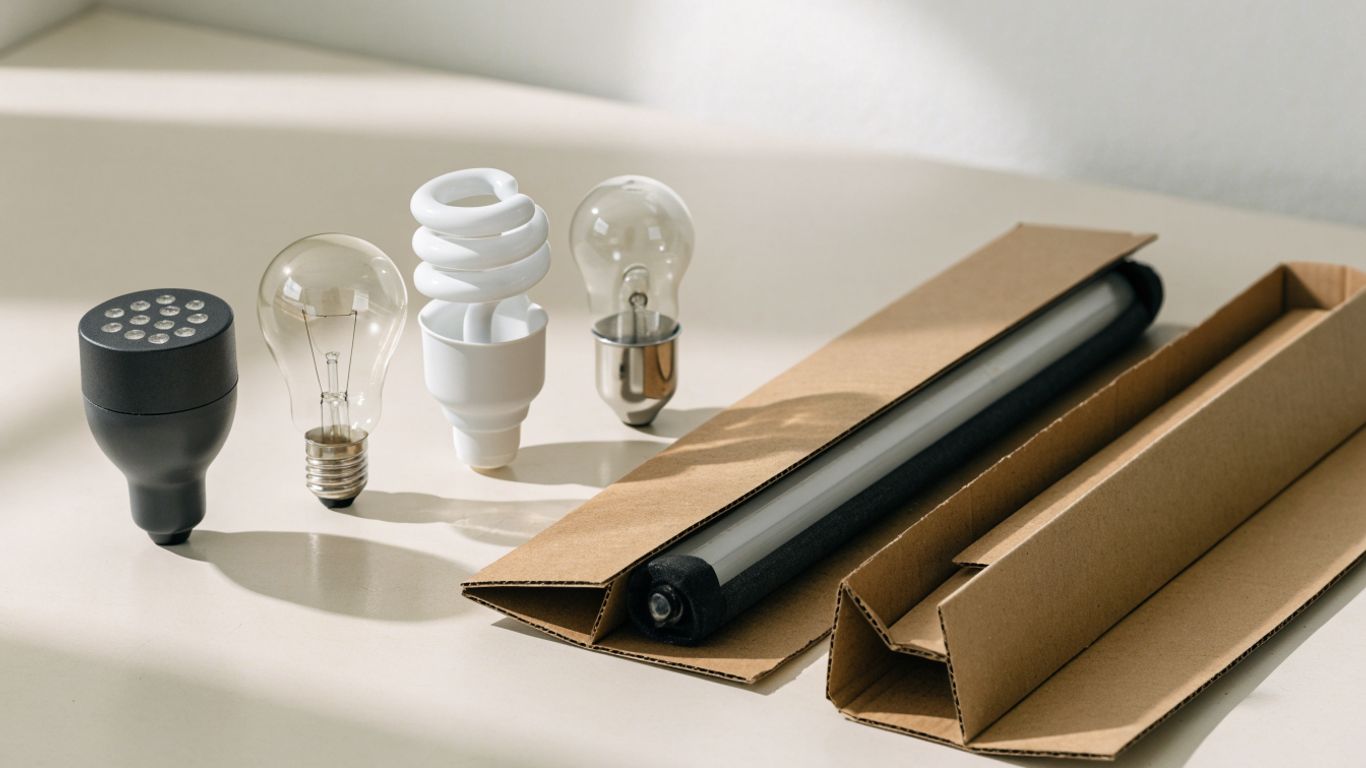
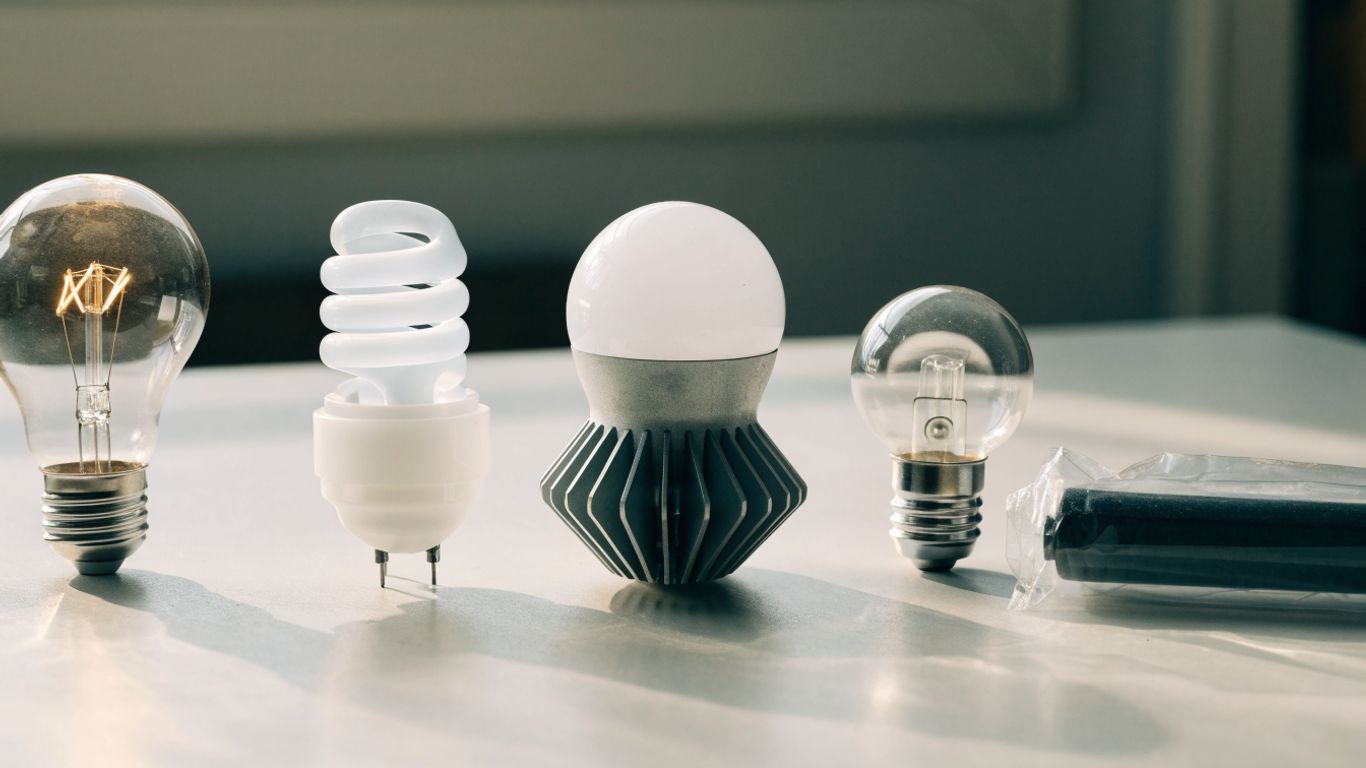
Light bulbs may look similar once they are switched off, but their materials and safe disposal routes can differ. Incandescent and halogen bulbs are typically treated differently from CFLs and fluorescent tubes, while LED bulbs may have electronics and materials worth recovering. That makes identifying the bulb the useful first step in light bulb disposal.
The main concern with fluorescent bulbs and CFLs is that they can contain a small amount of mercury. An intact bulb can usually be handled without special equipment, but it should not be crushed or casually tossed where it could break. Recycling or an approved collection program may be the better option, depending on local rules.
Your local program matters, too. Acceptance rules vary by municipality and by drop-off location, so a route that works in one place may not be available in Ottawa. Before you set bulbs out with household waste or drive to a depot, check the current Ottawa waste-disposal guidance and confirm what the collection point accepts.
How to Dispose of Light Bulbs by Type
Start by looking at the bulb’s shape and label, then consider whether it is intact or broken. Most bulbs should be handled gently, but the right next step depends on the type. The options below offer a practical starting point; local instructions take priority.
Incandescent Bulbs
Traditional incandescent bulbs do not contain mercury, but the glass can still cut you if it breaks. In many areas, an intact bulb may go in household garbage, though local instructions can differ. Wrap a spent bulb in paper or place it in a small box before discarding it so loose glass is less likely to cause an injury.
Don’t put incandescent bulbs in a glass-bottle recycling bin unless the local program explicitly accepts them. Their glass composition and shape may not suit the same processing equipment as jars and bottles. When you’re unsure, check your municipality’s waste guidance rather than relying on the recycling symbol or the bin’s contents.
Halogen Bulbs
Halogen bulbs also contain no mercury, but they can become very hot during use. Let one cool fully before you remove or package it. Handle the glass carefully, and protect an intact bulb with its packaging or another sturdy covering before placing it in household garbage if local rules allow.
Some collection programs accept halogen bulbs along with other specialty lighting, while others do not. Don’t assume a store or depot takes them just because it accepts another bulb type. A quick check before you go can save you a trip and keep the bulb out of the wrong collection stream.
LED Bulbs
LED bulbs do not contain mercury, but they include electronic components and are often a good candidate for an accepted lighting or e-waste recycling program. Keep the bulb intact and separate from ordinary glass recycling unless the local program specifically says otherwise. Check local acceptance first because drop-off rules can vary.
If no suitable recycling option is available, follow local household-waste instructions. Store bulbs in a box or their original packaging until you can take them to the appropriate collection point, especially if you have several to handle. For Ottawa, confirm current options before setting out; collection details can change.
CFL Bulbs
CFLs are compact fluorescent bulbs, and they may contain mercury. If one is intact, keep it in its original packaging or a protective container and take it to a program that accepts CFLs. The mercury-bulb recycling guidance explains why local drop-off, retailer, and mail-back options may be worth checking, but you should confirm which choices are available where you live.
The distinction between an intact bulb and a broken one affects how you should store and transport it. This quick comparison can help you choose a cautious next step while you check local requirements.
| Bulb condition | Safer handling | Possible next step |
|---|---|---|
| Intact CFL | Keep it cushioned and separate | Use an accepted bulb collection program |
| Broken CFL | Ventilate first; collect fragments carefully | Follow local hazardous-waste instructions |
| Intact fluorescent tube | Keep it straight and protected | Check for a tube-recycling drop-off |
For an intact CFL, avoid bending or crushing the bulb during transport. If it is broken, don’t bring loose pieces to a collection point without first checking how that location wants them prepared.
Fluorescent Tubes
Fluorescent tubes can break easily and may contain mercury, so they generally need a collection option designed for this type of bulb. Don’t put a tube in curbside recycling, and don’t place it loose in a household garbage bag. Look for a local program that specifically lists fluorescent tubes and confirm any length or quantity restrictions before you go.
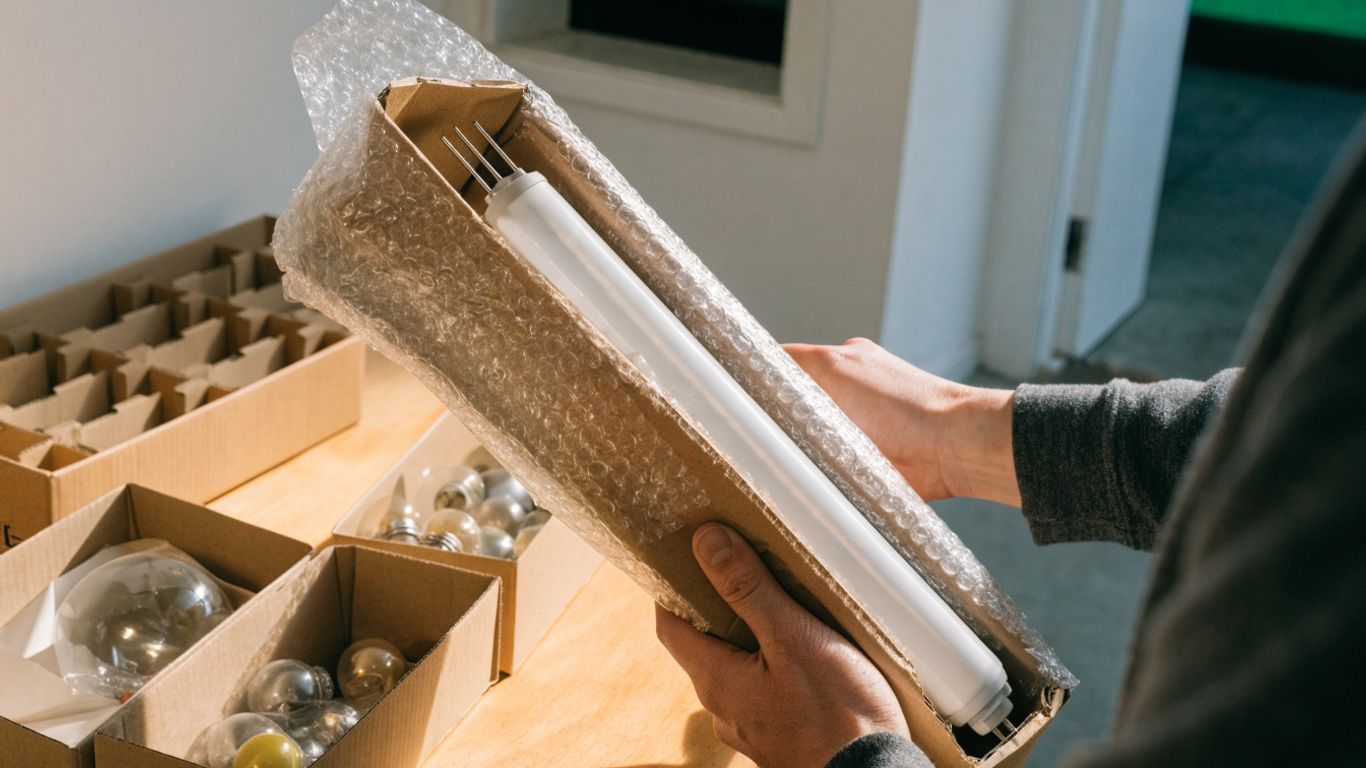
A little preparation makes transport safer. If you no longer have the original sleeve, use a long, sturdy container that keeps the tube from rolling or bending. Before taking it to a drop-off point, follow these basic steps:
- Switch off the light and allow the tube to cool.
- Keep the tube whole and avoid taping bulbs together.
- Cushion it with its original sleeve or other protective material.
- Check the collection site’s rules for packaging and accepted sizes.
These precautions help prevent breakage on the way to a collection point. If the tube is already broken, use the cleanup guidance below instead of carrying loose fragments in an ordinary bag.
Clearing out a whole box of tubes from a basement reno or office? The Junk Ninja crew can pack and remove them for you; see the options for professional pickup below.
What to Do If a CFL or Fluorescent Bulb Breaks
A broken CFL or fluorescent tube calls for a slower, more careful cleanup than an intact bulb. If the break happens indoors, keep people and pets away from the area and open windows or exterior doors to air it out. Leave the room for about 5 to 10 minutes while it ventilates, and turn off forced-air heating or cooling if you can do so safely.
When you return, avoid using a vacuum or broom at first; either can spread fine particles. Put on disposable gloves, then use stiff paper or cardboard to gather larger pieces. Use sticky tape to pick up small fragments and powder, and place the debris in a sealed container or bag according to local cleanup and disposal instructions.
After the visible material is collected, wipe the area with a damp paper towel and add it to the same sealed waste. Keep the debris away from children and pets, then check Ottawa’s current guidance for where to take it or how to dispose of it. If the bulb broke on carpet or upholstery, or you are unsure how to handle a larger spill, consult local public-health or waste authorities for specific advice.
These steps follow Health Canada’s guidance for broken compact fluorescent lamps. If anyone feels unwell after a breakage, the Ontario Poison Centre can advise.
Where to Take Old Light Bulbs in Ottawa
In Ottawa, the right destination depends on the bulb type, whether it is intact, and what local programs currently accept. Start with the City’s waste and recycling information, and look specifically for CFLs, fluorescent tubes, LEDs, or the exact bulb you have. Don’t assume that a site accepting one kind of bulb will accept them all.
A hardware or lighting retailer may offer a take-back program, but participation and accepted items can change. Call or check the location’s current information before bringing bulbs in, especially if you have fluorescent tubes or a damaged bulb. Ask how the bulbs should be packaged and whether the site has limits on size or quantity.
You can also look for a municipal or household hazardous-waste collection option that lists the bulb type you need to dispose of. If a program does not mention your bulb, ask before leaving it there. A confirmed destination is safer and more convenient than dropping it in a general recycling bin or making an uncertain trip.
Common Light Bulb Disposal Mistakes to Avoid
One frequent mistake is treating every bulb as ordinary glass. Light bulbs are not necessarily accepted with jars and bottles, and CFLs or fluorescent tubes may need a separate route because they can contain mercury. Check the label or shape before sorting, and use the local waste instructions for that specific type.
Another mistake is putting an intact fluorescent bulb in household garbage or crushing it to save space. Keep it whole, protected, and separate while you find a suitable collection option. The same care applies to transport: a bare tube sliding around in a car can break before it reaches the drop-off point.
It is also easy to assume that a retailer, depot, or curbside program accepts every bulb. Acceptance can differ by location, and broken bulbs may have different rules from intact ones. Confirm the destination and packaging requirements first; if you’re sorting other household materials at the same time, check the relevant hazardous-waste handling advice rather than mixing unrelated items together.
When to Hire a Professional for Light Bulb Disposal
For a few intact household bulbs, you can often handle storage and drop-off yourself. A professional may be useful when bulbs are part of a larger cleanout, are difficult to reach, or need to be removed alongside other bulky items. The key is to confirm in advance that the service accepts the specific material and condition you have.
A broken bulb does not automatically call for a removal company. Follow careful cleanup steps and use local waste or public-health guidance for the resulting debris. If a tube has broken in a hard-to-access fixture, or you are not comfortable handling the area, pause and ask a qualified local service or authority what they recommend before attempting removal.
Before arranging help, describe the bulb type, approximate quantity, and whether anything is broken. Ask where the material will go and whether the provider handles fluorescent or mercury-containing lamps. Clear details help the crew bring the right packaging and plan a safe pickup.
Junk Ninja handles light bulb disposal in Ottawa for homes and businesses, including CFLs, LEDs, halogen, incandescent and fluorescent bulbs. A common call is a basement or kitchen renovation that leaves behind a stack of old fluorescent tubes; the crew packs them so they stay intact and removes them along with the rest of the renovation cleanup debris. Property managers and offices and commercial properties often book the same service during lighting upgrades. Call (613) 825-0707 for a same-day or scheduled pickup.
Conclusion
Light bulb disposal comes down to knowing the bulb type, keeping fluorescent bulbs and CFLs intact, and using a collection option that accepts them. Incandescent and halogen bulbs need careful wrapping, LEDs belong in electronics recycling where available, and mercury-containing bulbs need special handling. Have a box of old bulbs to clear out? Contact Junk Ninja to book a pickup.
Frequently Asked Questions
Can light bulbs go in curbside recycling?
Usually, you should not put light bulbs in a curbside glass-recycling bin unless your local program specifically accepts them. Check Ottawa’s current rules for the bulb type you have.
Can you throw away an incandescent bulb?
In many places, an intact incandescent bulb can go in household garbage, but local rules vary. Wrap or box it first to reduce the risk of broken glass causing an injury.
Do LED bulbs contain mercury?
LED bulbs do not contain mercury, but they include electronic components. Use an accepted lighting or e-waste recycling program when one is available, and follow local waste instructions otherwise.
Where should you take CFL bulbs?
Take intact CFLs to a collection point that specifically accepts them, such as an eligible local drop-off or take-back program. Confirm acceptance and packaging rules before you go.
What should you do if a fluorescent bulb breaks?
Keep people and pets away, ventilate the room, and collect the pieces carefully without vacuuming or sweeping at first. Seal the cleanup materials and check local instructions for disposal.
Can you put a fluorescent tube in household garbage?
Fluorescent tubes may contain mercury and can break easily, so check local requirements and look for a program that accepts them. Keep the tube protected while you arrange a suitable option.
How should you store old bulbs before recycling?
Keep bulbs in their original packaging when possible, or use a sturdy container that prevents them from rolling or being crushed. Store fluorescent bulbs and CFLs carefully and keep different types separated until you confirm where they can go.
