
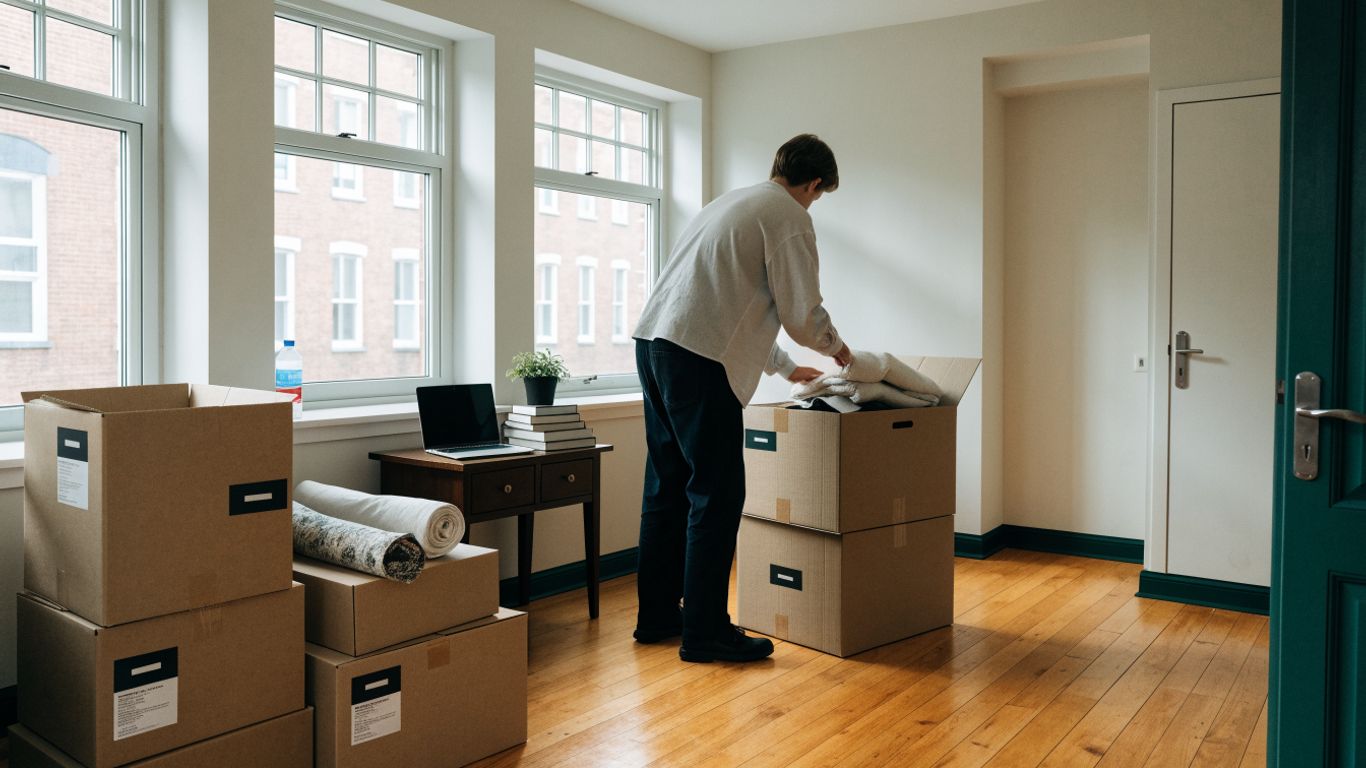
Apartment junk removal is one of the most stressful parts of moving out in Ottawa. The lease end date is fixed, the elevator has to be booked, and there’s rarely a truck available for the couch, mattress, and boxes that aren’t coming along. This checklist walks through every step, from sorting belongings to the final walkthrough, so the unit is empty and ready for inspection on time. The same planning works whether you’re clearing a one-bedroom apartment or need full house junk removal before a move.
Your End-of-Lease Apartment Cleanout Checklist
An end-of-lease cleanout is easier when you break it into smaller decisions instead of waiting until moving day. Start with the items you want to keep, then check what your building expects before arranging disposal or apartment junk removal. A little coordination prevents last-minute trips, blocked hallways, and questions about what belongs in the bins.
1. Start Early: Sort Items to Keep, Donate, Sell or Toss
Walk through each room and sort belongings according to what you plan to do with them. Set aside what you’re taking, and make separate areas for items to sell, donate, or discard. A good rule of thumb is to start 3–4 weeks before move-out day and clear one room at a time, beginning with closets and storage areas you rarely use. If you’re unsure about an item, decide before the final days of your lease, when time and transportation are limited.
2. Check Your Lease and Building Move-Out Rules
Review your lease and ask building management about move-out procedures. Confirm how to reserve an elevator or loading area, where unwanted items can go, and whether large objects can be left near the building’s waste area. In many Ottawa high-rises, elevator bookings come in fixed time slots and fill up quickly at the end of the month, so book one as soon as notice is given. Under Ontario’s Residential Tenancies Act, tenants are responsible for the ordinary cleanliness of the unit, so leaving furniture or bags behind can lead to a dispute with the landlord. Get written approval before using a hallway or lobby as a temporary staging area.
3. Clear Out Bulky Furniture and Mattresses
Measure large items and plan how they will travel through doorways, stairwells, and elevators. A common move-out surprise is a sectional or sofa bed that won’t fit in the elevator on the way out. Removing legs and cushions first, or wrapping pieces to protect walls and door frames, avoids a couch stuck in the hallway. Worn or stained mattresses, especially after a bed bug problem, should be sealed in plastic and booked for proper mattress removal rather than left in the garbage room.
4. Deal With Appliances and Electronics Properly
Separate working appliances and electronics from broken or unwanted ones, and check whether any were included with the rental, since those must stay. Mini-fridges, microwaves, window air conditioners, and TVs are the items most often left behind in apartments. Fridges and air conditioners contain refrigerants that must be handled properly, so book old appliance removal for those rather than setting them beside the bins. TVs, computers, and printers should go to electronics recycling instead of the garbage.
5. Empty Balconies, Storage Lockers and Parking Spots
Check every space connected to your rental, not just the rooms inside the apartment. Balconies, storage lockers, and assigned parking spots often collect boxes, patio furniture, bikes, tires, and seasonal items. These are the spaces renters forget most often, and anything left behind can delay the return of the unit or create a dispute after move-out.
6. Set Aside Hazardous Items Your Building Won’t Accept
Keep paints, solvents, cleaning chemicals, propane cylinders, and batteries apart from ordinary household discards. The City of Ottawa runs Household Hazardous Waste depots for materials like these, and many retailers accept used batteries for recycling. Leave products in their original containers where possible, and never combine or pour them out to reduce the number of packages.
7. Do a Final Walkthrough Before Handing Over the Keys
Once the apartment is empty, check closets, cabinets, drawers, under sinks, and behind doors and appliances. Look again at the balcony, storage locker, and parking spot, then confirm nothing remains in shared areas. A slow final walkthrough helps you spot overlooked belongings and leaves the unit ready for inspection.
What Ottawa Garbage Collection Won’t Take From Apartment Buildings
What can go out with routine garbage depends on the building’s setup and the collection arrangements that serve it. Apartment buildings usually have shared bins or garbage rooms with management rules that differ from curbside pickup at a house, and those bins fill up fast at month-end when several units move out at once.
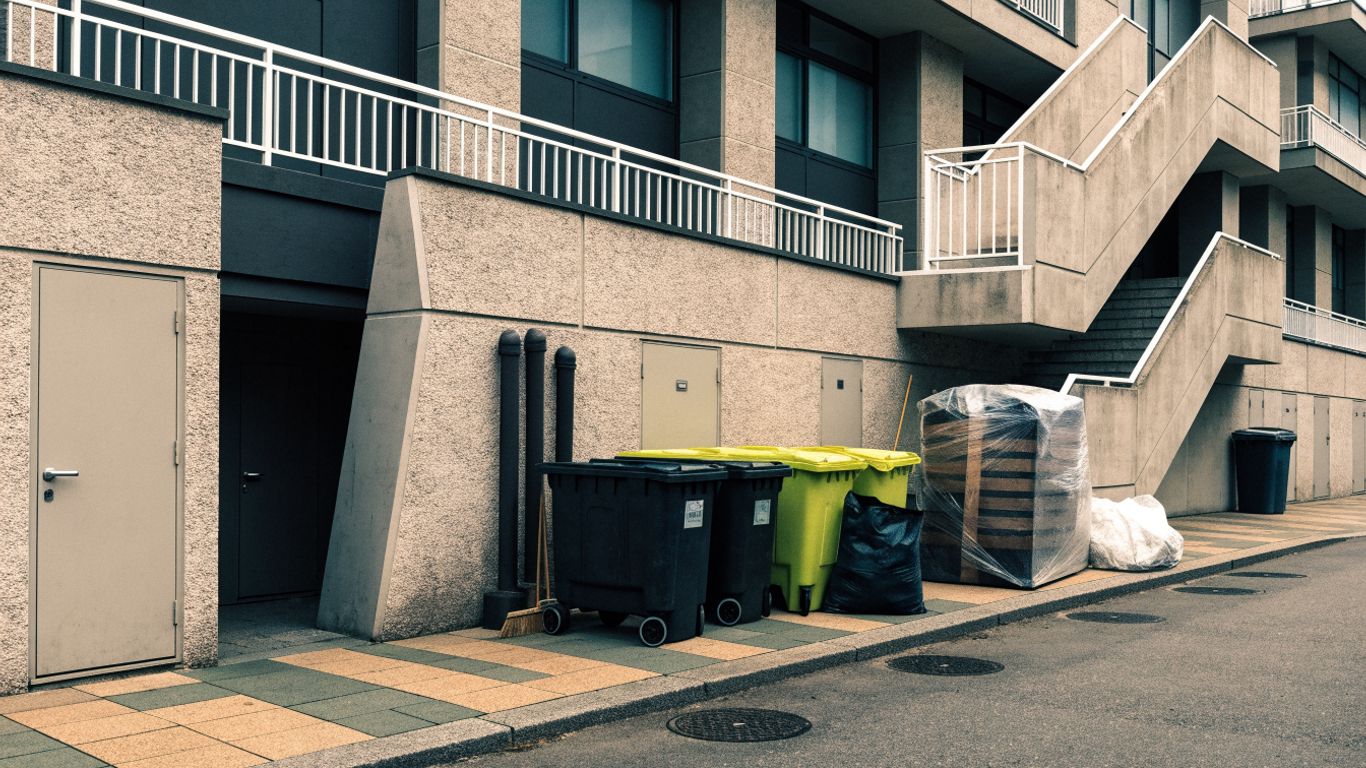
Furniture, mattresses, appliances, and electronics usually need separate arrangements rather than a regular shared bin. Many buildings also have rules about where and when bulky items can be staged. Confirm the instructions before moving anything downstairs so it doesn’t block a common area or get left where it can’t be collected.
Hazardous materials need separate handling from ordinary household waste. Paint, chemicals, and batteries belong at a hazardous waste depot or a retail take-back program, not in an apartment garbage chute.
DIY vs. Hiring an Apartment Junk Removal Crew
Whether to handle the cleanout yourself depends on how much you have, what needs special handling, and how easily you can get it out of the building. Compare the real cost of renting a vehicle, making several trips, and paying landfill tipping fees against hiring a crew, and factor in your lease end date and the physical work involved.
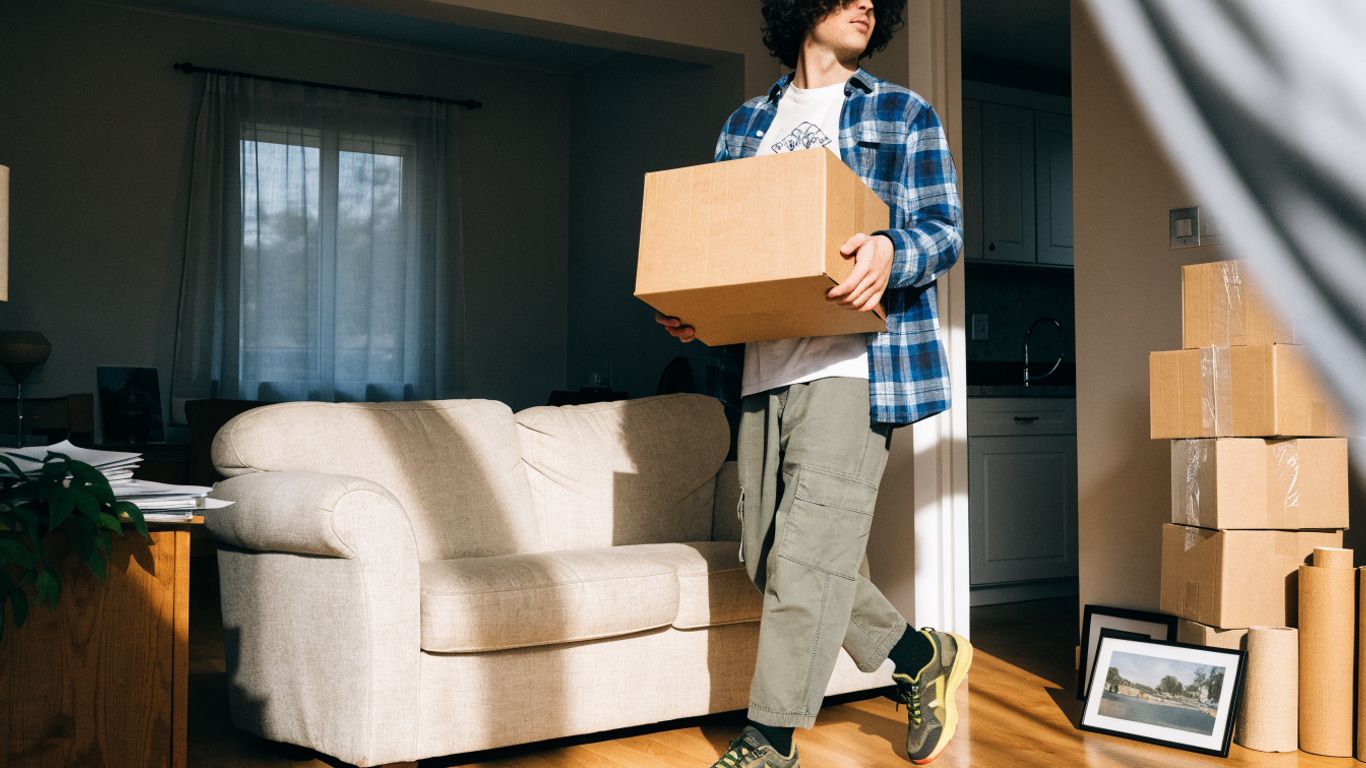
When Doing It Yourself Makes Sense
A do-it-yourself cleanout works when you have a modest amount to remove, access to a suitable vehicle, and enough time to follow the building’s move-out procedures. It’s also practical if you can drop usable items at a donation centre yourself. Before committing, account for carrying items through shared spaces and the time spent on disposal trips.
When to Book a Professional Crew
A crew makes sense when the cleanout includes several bulky items, an upper-floor unit, a tight elevator booking, or more than you can move on your own. One crew visit can clear in an hour what might take a full day of trips, leaving more time for cleaning before the inspection. Book ahead so the pickup lines up with your elevator reservation and loading access.
What Happens to Your Items After Pickup
Junk Ninja sorts each load after pickup. Usable furniture and household goods are donated to local charities where possible, metals and electronics go to recycling, and the landfill is the last option, not the first.
Before pickup, point out anything that may need separate handling and make sure items are accessible without blocking entrances, elevators, or shared areas. Clear communication avoids confusion about what’s included and what should stay in the apartment.
After everything is removed, check the pickup area and your unit for anything missed. If you arranged donations yourself, keep any receipts with your moving paperwork.
Book Apartment Junk Removal in Ottawa With Junk Ninja
Moving out is stressful enough without hauling a couch down twelve floors. Junk Ninja’s crew does all the lifting, works around building elevator bookings and move-out windows, and donates or recycles items wherever possible. Contact Junk Ninja or call +1 613-412-8358 to book your apartment junk removal and hand over the keys to an empty unit.
Frequently Asked Questions
When should I start an apartment cleanout?
Start 3–4 weeks before your move-out date, or as soon as you give notice. That leaves time to sell or donate items, book the elevator, and schedule a pickup before end-of-month bookings fill up.
Can I leave furniture beside my apartment building’s bins?
Usually not. Most Ottawa buildings don’t allow furniture to be left beside shared bins, and items left there can lead to charges from management. Ask where bulky items may be placed, or arrange a pickup directly from the unit.
What should I do with a mattress when I move?
Wrap it in plastic, especially if there have been bed bugs, and plan a route through the building that won’t block shared spaces. Booking a pickup from the unit is the simplest option when the building has no bulky item area.
Can I put electronics in regular apartment garbage?
No. TVs, computers, printers, and small electronics should go to electronics recycling, where components are recovered and harmful materials are kept out of landfill.
How do I dispose of leftover paint or chemicals?
Keep them in their original containers and take them to a City of Ottawa Household Hazardous Waste depot. Never pour them down the drain or mix products together.
Do I need to empty my storage locker and parking spot?
Yes. If these spaces are assigned to your unit, they’re part of the move-out and should be cleared before the final inspection.
Is hiring a junk removal crew worth it for an apartment?
It’s usually worth it when the move-out includes bulky furniture, an upper-floor unit, a tight elevator booking, or no vehicle. One crew visit can clear the unit quickly and leave more time for cleaning.
Can landlords book a cleanout after a tenant moves out?
Yes. Landlords and property managers often book a full property clean out when a unit is left full after a tenant leaves, so it can be cleaned and re-rented quickly.
