
Understanding Furnace Filter Materials
So, you’ve got a furnace filter, and you’re probably wondering what exactly goes into making it. It’s not just a simple piece of paper, you know. Understanding the components helps when we talk about whether they can be recycled later on.
Cardboard Frames
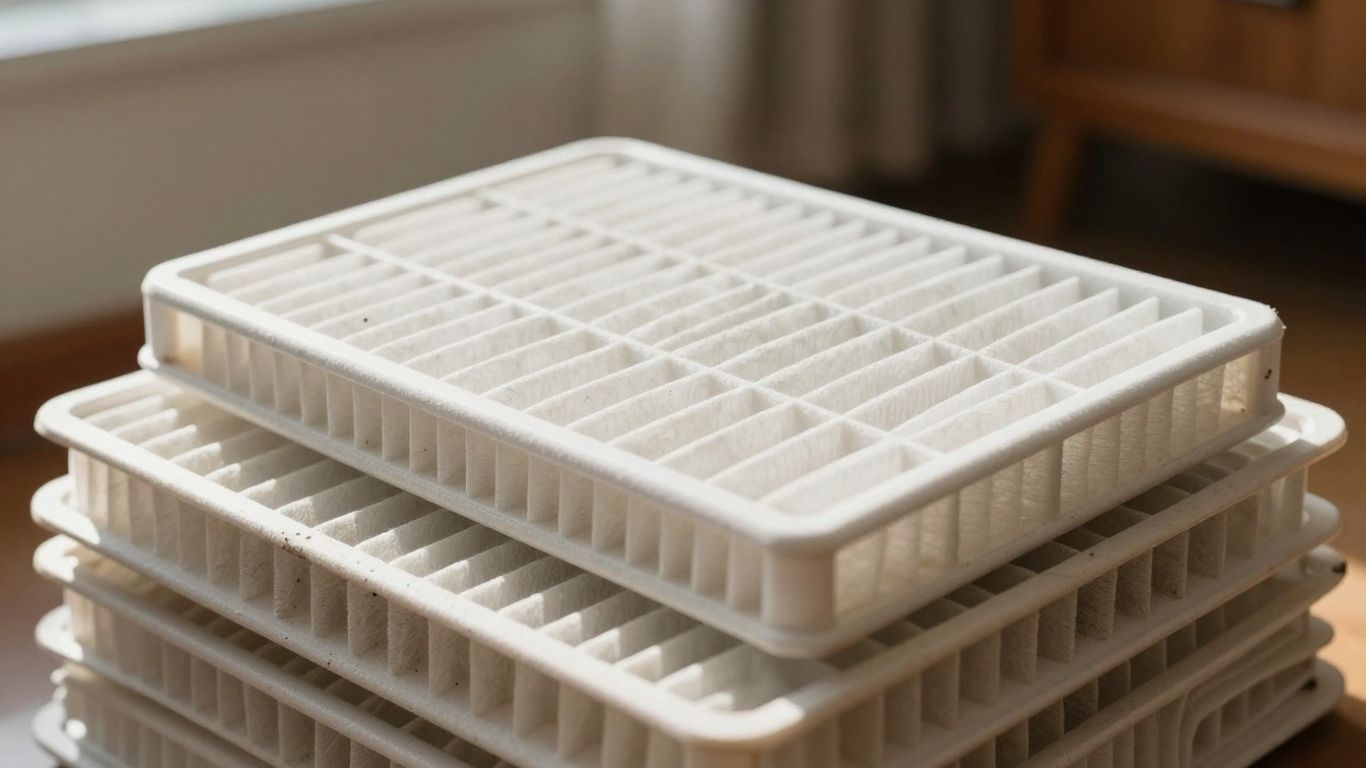
Most disposable furnace filters have a frame, and it’s usually made of cardboard. This is the part that gives the filter its shape and makes it easy to slide into your furnace’s filter slot. The cardboard is often corrugated, which makes it sturdy enough to hold the filter media in place. It’s pretty standard stuff, similar to what you’d find on many product boxes. While it seems straightforward, this cardboard is a key part of what we’ll discuss regarding recycling options.
Filter Media (Paper, Synthetic, or Fiberglass)
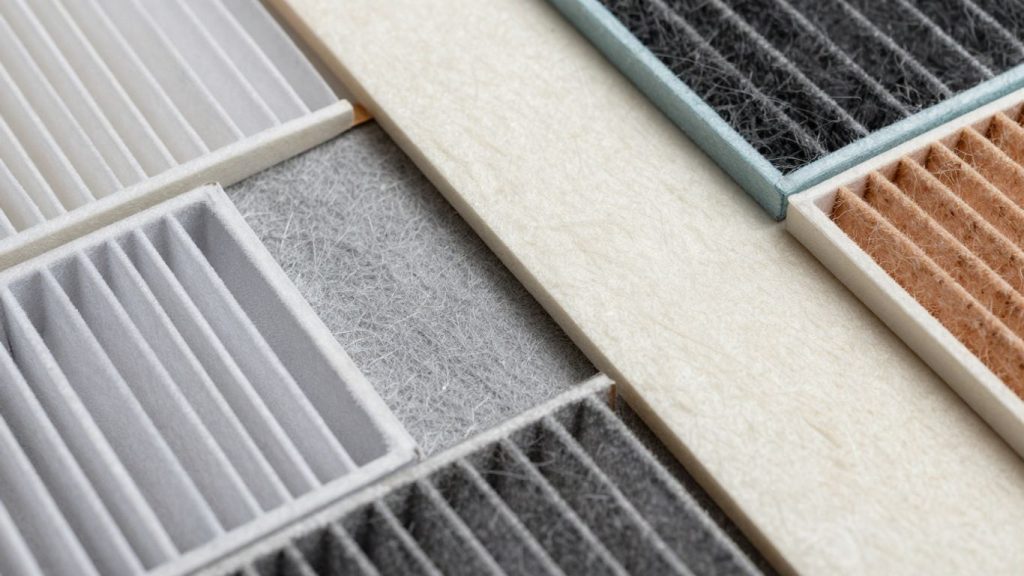
This is the actual stuff that does the work of cleaning your air. You’ll find a few different types:
- Paper: Some filters use a dense paper material, often pleated to increase the surface area. These are good at catching dust and larger particles.
- Synthetic: These are made from man-made fibers, like polyester. They can be designed to catch smaller particles and sometimes last a bit longer than basic paper filters.
- Fiberglass: These are the most basic and often the cheapest. They’re made from spun fiberglass and are best at trapping larger debris, like lint and coarse dust. They’re not as effective for smaller allergens.
Metal Components (in some filters)
While not as common in the basic filters most people use, some higher-end or specialized filters might include metal components. This could be a metal mesh for support or even part of an electrostatic filter system that uses static electricity to attract particles. These metal parts can sometimes make recycling a bit more complicated, depending on the filter’s overall design. It’s good to be aware of these if you have a more advanced system.
When you look at your furnace filter, it’s easy to just see it as a disposable item. But knowing what it’s made of – the cardboard, the different types of media, and any metal bits – gives you a better picture of its lifecycle and potential for reuse or recycling.
Can Furnace Filters Be Recycled? The General Answer
So, you’re probably wondering, are HVAC filters trash or recyclable? It’s a common question, and honestly, the answer isn’t a simple yes or no. Most standard furnace filters, the kind you buy at the hardware store and swap out every few months, aren’t really designed for recycling. They’re usually made from a mix of materials like cardboard frames, paper or synthetic filter media, and sometimes even a bit of metal or plastic. This combination makes them tricky for recycling facilities to process.
Think about it: that fluffy stuff inside is meant to catch all sorts of gunk – dust, pollen, pet dander, you name it. Once it’s done its job, it’s, well, dirty. Recycling centers often can’t handle materials that are contaminated with household waste. So, for the most part, when your filter is full, it’s headed for the trash bin.
However, there are exceptions and things to consider:
- Mixed Materials: The biggest hurdle is the blend of materials. Cardboard is recyclable, but the filter media often isn’t, especially if it’s fiberglass or treated paper.
- Contamination: Used filters are inherently dirty. Recycling processes usually require clean materials.
- Manufacturer Instructions: Some manufacturers might offer specific recycling programs or guidance, though this is rare for standard filters.
While the idea of recycling your old furnace filter is great for the environment, the reality is that most common types end up in the landfill. It’s a bit of a bummer, but understanding the materials involved helps explain why.
If you’re looking to reduce waste, your best bet might be to explore reusable or washable filter options. These can significantly cut down on the number of filters you dispose of over time, which is a great way to declutter your home and be more eco-friendly. It’s worth checking with your HVAC professional about what filter types are best for your system and your environmental goals.
Recycling Options for Different Filter Types
So, we’ve established that not all furnace filters are created equal when it comes to recycling. It’s a bit of a mixed bag, honestly. While some parts might seem recyclable, the whole package often isn’t. Let’s break down what you can and can’t do.
Recycling Cardboard Frames
Many disposable furnace filters have a frame made of cardboard. This is the part that often gives people the idea that the whole filter can just go in the recycling bin. And hey, if you’re feeling ambitious, you can separate the cardboard frame from the filter media. You’ll need a utility knife or some strong scissors to carefully cut away the filter material. Once you’ve got just the cardboard, you can flatten it and toss it into your regular paper recycling. Just make sure there’s no significant gunk or debris stuck to it, as that can contaminate the recycling stream.
What About the Filter Media?
This is where things get tricky. The actual filtering material – whether it’s paper, synthetic fibers, or fiberglass – is usually not recyclable through standard curbside programs. These materials are often mixed with plastics, glues, and other things that recycling facilities can’t easily process. Even if it looks like just paper, it’s often treated or blended in ways that make it unsuitable for recycling. Think of it like a pizza box with a lot of grease; you can’t just toss that in the paper bin, right? The filter media is kind of like that, but with more complex materials.
Specialized Recycling Programs
While your local curbside recycling might not take the whole filter, there are sometimes other options. Some HVAC companies or specialized recycling centers might have programs for collecting and processing used filters. This is less common for residential filters and more often seen in industrial settings, but it’s worth checking with your local HVAC service provider or waste management company. They might know of a local drop-off point or a specific service that handles these items. It’s a bit of a long shot, but if you’re really committed to minimizing waste, it’s a path worth exploring.
It’s important to remember that even if a part of the filter could be recycled, the effort involved in separating it might outweigh the environmental benefit for many households. Plus, contamination is a real issue at recycling plants, so if you’re not sure, it’s often better to err on the side of caution and dispose of it properly.
What to Do with Used Furnace Filters: Alternatives to Recycling
So, you’ve finished with your furnace filter and you’re wondering about the best way to handle it. While recycling furnace air filters isn’t usually an option due to mixed materials, there are still some smart choices you can make. Let’s look at the furnace filter disposal options beyond just tossing them in the bin.
Proper Disposal
Most standard disposable furnace filters, the kind with cardboard frames and paper or synthetic media, aren’t designed for recycling. The cardboard might seem recyclable, but the filter material itself often contains plastics, fiberglass, or other non-recyclable components that can contaminate the recycling stream. This means they typically need to end up in your regular trash. The most straightforward approach for most homeowners is to simply place the used filter in your household garbage.
Here’s a quick rundown of what to expect:
- Frequency: Depending on your filter type and home environment, you might be replacing filters anywhere from once a month to once a year. This adds up!
- Contamination Risk: Even if the frame is cardboard, the embedded filter media can cause problems at recycling facilities.
- Manufacturer Guidance: If you’re unsure, always check the packaging or the manufacturer’s website for specific disposal instructions.
When in doubt, it’s best to err on the side of caution. If a filter isn’t clearly marked as recyclable or you can’t confirm its recyclability with the manufacturer, treating it as regular waste is the safest bet to avoid disrupting recycling processes.
Upcycling and Creative Reuse
While not a common practice for most, some people get creative with their old furnace filters. Think of it as giving the filter a second, albeit different, life. This is more about repurposing than true recycling, and it’s definitely not for everyone, but it’s an option to consider if you’re looking for unique ways to handle what to do with old furnace filters.
- Dusting Tools: The fibrous material can sometimes be used for dusting large surfaces or even as a makeshift paint strainer for certain projects. Just be sure it’s completely dry and free of any harmful particles.
- Craft Projects: For those who enjoy DIY, the cardboard frame can be cut up and used in various craft or school projects. It’s a good way to use up materials that would otherwise be discarded.
- Workshop Aids: Some folks use old filters to catch dust and debris when doing messy work in their garage or workshop, like sanding or cutting wood. It’s a way to contain the mess without using a brand-new material.
Remember, these are creative alternatives and not a substitute for proper disposal if the filter is heavily soiled or contains materials that could be hazardous. For most, sticking to proper trash disposal is the most practical and eco-friendly furnace filter disposal method.
So, What’s the Verdict on Furnace Filters?
Alright, so we’ve talked about the different kinds of furnace filters out there and whether you can toss them in the recycling bin. The short answer? Most of the time, you can’t. They’re usually made of a mix of materials that recycling centers can’t handle, meaning they end up in the trash. But hey, there are options! If you’re really trying to cut down on waste, washable electrostatic filters are a good way to go, though they might not catch the tiniest particles like some other types. Always check with the filter maker or your local recycling folks if you’re unsure. Keeping your filter clean and replaced on schedule is the main thing for your home’s air and your furnace’s health, no matter what kind you choose.
Frequently Asked Questions
Are all furnace filters the same?
Nope! Furnace filters come in different types. Some are made of simple fiberglass or paper and need to be tossed after a month or so. Others are pleated, meaning they have more folds to catch smaller bits of stuff. Then there are electrostatic filters, which use a bit of static to grab onto dust, and HEPA filters, which are super-duper at catching almost everything, like tiny germs.
Can I just throw my old furnace filter in the trash?
Usually, yes. Most disposable furnace filters aren’t made with materials that recycling centers can easily handle. They often have cardboard frames, but the filter part can be a mix of things like paper, synthetic fibers, or even fiberglass. Because of this mix, they typically end up in the regular trash.
Are there any parts of the filter that can be recycled?
Sometimes, the cardboard frame around the filter might be recyclable on its own. However, if it’s covered in dust and debris from the filter media, it can contaminate the cardboard and make it unrecyclable. It’s best to check with your local recycling rules to be sure.
What are those washable filters I hear about?
Washable filters are a more eco-friendly option. They usually have a plastic or metal frame and a filter made of a material you can rinse out. You clean them regularly, let them dry, and then put them back in. This means you don’t have to buy new ones all the time, saving you money and reducing waste.
Do washable filters work as well as the disposable kind?
It depends on the filter. Some washable filters do a good job, but often, the super-efficient disposable filters, especially pleated or HEPA ones, can catch smaller particles than washable ones. If you have allergies or asthma, it’s worth talking to an HVAC expert to see which type is best for your home’s air quality.
What’s the best way to be eco-friendly with furnace filters?
The most eco-friendly choice is often a washable or reusable filter because you use it over and over. If you must use disposable filters, look for ones made with more sustainable materials if possible, and always check with your local recycling center or the filter manufacturer for any specific recycling instructions, though most disposable ones go in the trash.
