
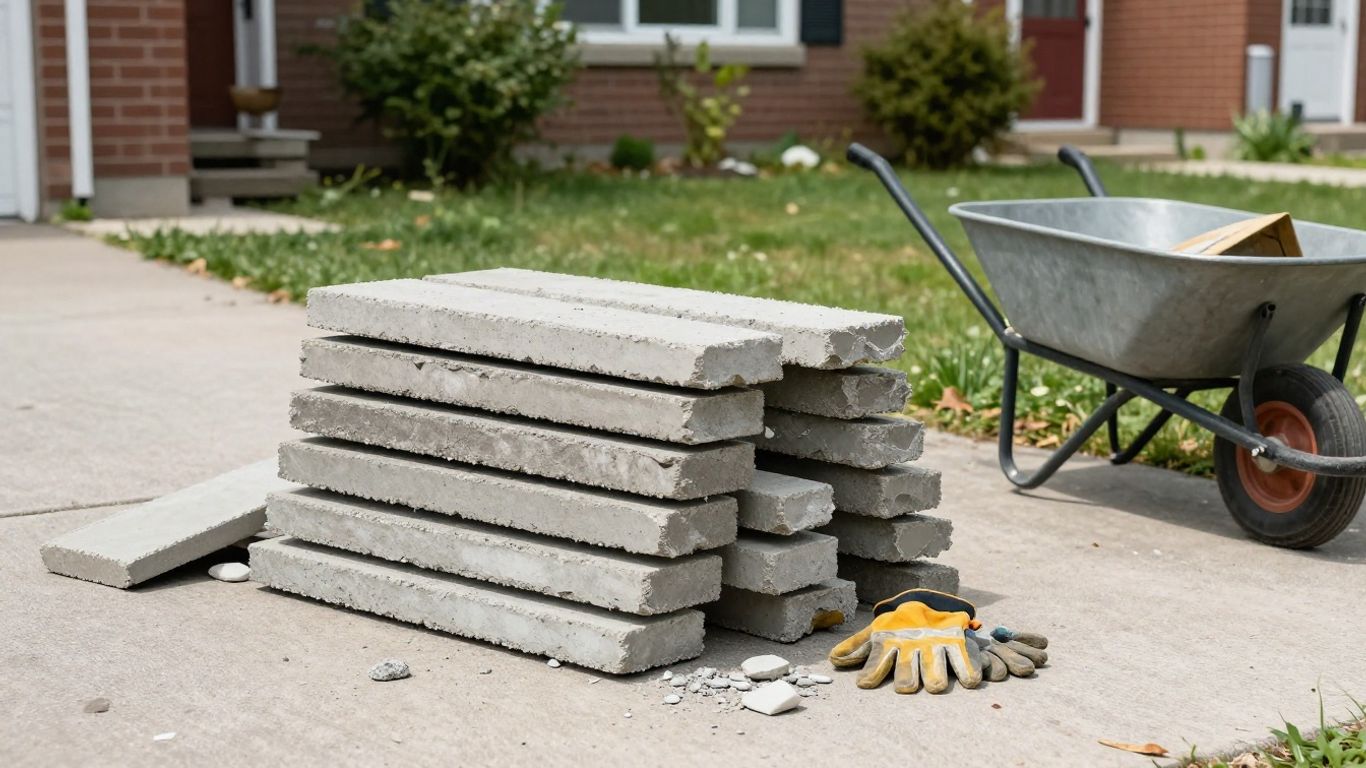
Concrete is heavy, awkward to handle, and often subject to different disposal rules than everyday household waste. Before you move a single piece, it helps to know whether your pile is clean or mixed with other debris, what local facilities and haulers actually charge, and whether DIY hauling or professional pickup makes more sense for the size of your job. A little planning up front saves a wasted trip — or a strained back.
What Counts as Concrete Debris? (Driveways, Patios, Sidewalks & More)
Concrete debris is material left after a concrete surface or structure is repaired, replaced, or demolished. You might have a pile after removing a driveway, patio, walkway, step, or section of a basement floor. Even a small-looking pile can weigh far more than it appears.
The debris may include solid slabs, broken chunks, and concrete mixed with soil or small amounts of aggregate. Reinforcing material such as wire mesh or rebar can also be present, especially in pieces from larger slabs. These differences matter because a receiving facility or hauler may have separate rules for clean concrete and mixed construction waste.
Before choosing a disposal route, take stock of what you have and where it is located. A pile beside the curb is different from heavy pieces at the back of a yard or down a flight of stairs. Sorting out the material and access conditions early makes it easier to ask useful questions before you commit to a disposal route.
Why You Can’t Just Put Concrete Debris in the Trash
Concrete is dense, so a few pieces can add substantial weight to a household garbage load. Municipal collection services commonly limit what they accept through regular curbside pickup, and construction debris may not be eligible. Rules vary by municipality and service, so check current local guidance rather than assuming a regular pickup will take it.
There is also a practical safety issue. Lifting awkward chunks can strain your back or hands, and broken edges may be sharp. Putting heavy material into a cart or bag that isn’t designed for it can make collection unsafe or damage the container.
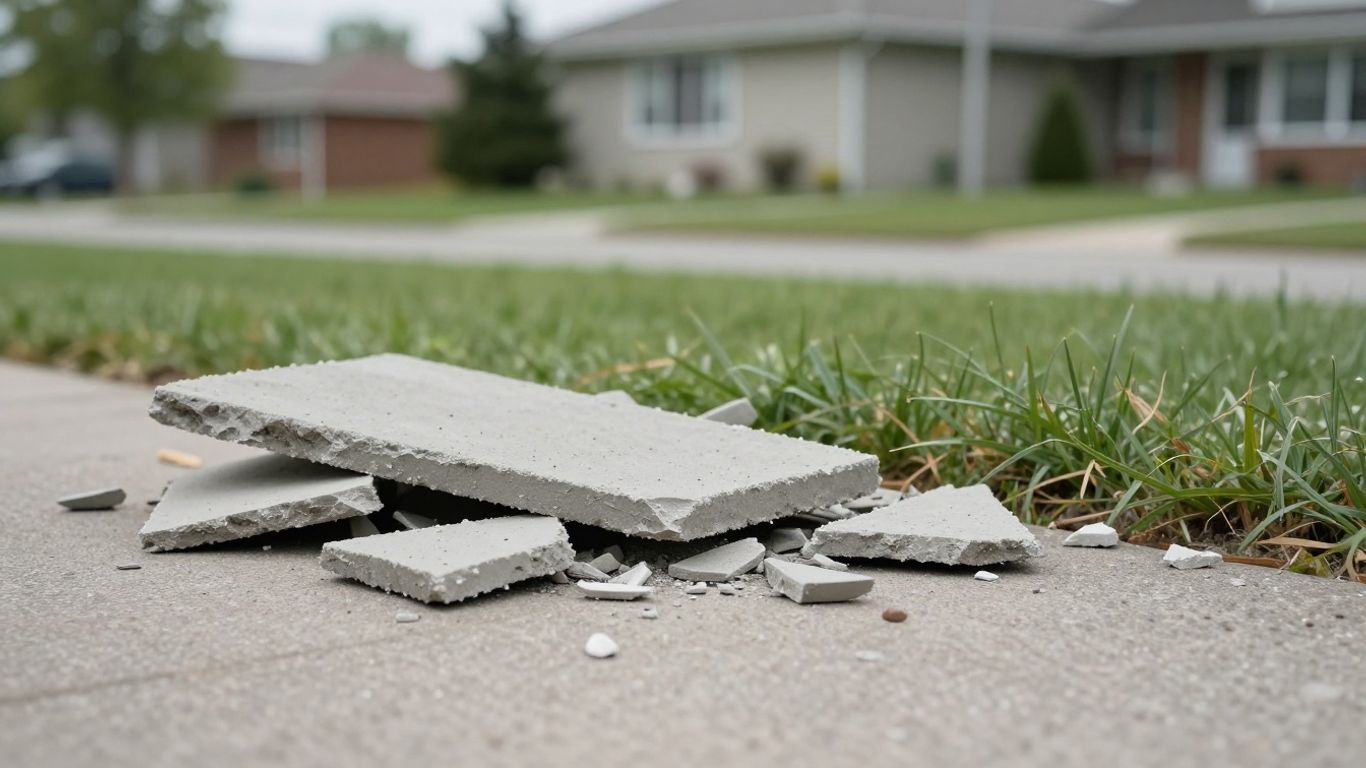
Before loading a vehicle or setting material out, confirm acceptance, weight limits, and preparation requirements with whoever is handling the job. The right route depends on the amount, the material’s condition, and how easily you can transport it.
How Much Does Concrete Debris Removal Cost in Ottawa?
The cost of concrete debris removal depends on more than how much room the debris appears to occupy. The weight, type of concrete, access to the pile, and the disposal route all affect the final quote.
Junk Ninja prices most jobs by how much space material takes up in the truck, in 1/8-truck increments — from a single item at $139 up to a full truck at $719, before tax. But concrete, brick, soil, and gravel are priced differently, because a load of dense material can hit the truck’s weight limit long before it fills the available space. A small pile of broken patio slabs might only take up a fraction of the truck visually, but weigh in like a much larger load of furniture or household junk. That’s why we assess the material in person and give you a firm price before we start, rather than quoting off a rough description.
Why Concrete Is Priced by Weight, Not Just Truck Space
Ask what the quote includes and whether heavy-material limits or additional disposal charges apply. These factors help explain why two piles of similar size may not cost the same to remove:
| Cost factor | Why it matters | Question to ask |
|---|---|---|
| Amount and density | A compact pile can be unusually heavy | Is the estimate based on weight, volume, or both? |
| Material condition | Clean concrete may be handled differently from mixed debris | Does the load need to be separated? |
| Site access | Stairs, distance, and narrow paths can affect loading | Where must the pile be placed? |
| Disposal requirements | Facility rules and charges can vary | Are disposal fees included in the quote? |
Use the answers to compare options on the same basis, rather than comparing a bin rental price with a haul-away estimate that includes different services.
DIY Concrete Disposal vs. Hiring a Junk Removal Company
You can manage concrete disposal yourself, but the best approach depends on the pile’s size, your vehicle, and how much lifting you can safely do. Renting a container gives you time to work at your pace, while self-hauling puts transport and facility coordination on you. Hiring a service can reduce the physical work, but you should verify concrete acceptance and the full price first.
Renting a Dumpster or Bin
A bin can be useful when demolition is happening over several days and you want one place to collect debris. Before booking, ask whether the container is rated for heavy material and whether there’s a limit on how much concrete it can hold. Also check where it can be placed and how long you can keep it.
A bin isn’t automatically the least expensive choice just because the rental price looks straightforward. Heavy debris may be subject to special restrictions, and overfilling or placing other materials in the load could affect service. If you’re also clearing other renovation waste, organizing a rental bin can help you keep materials sorted and avoid loading it carelessly.
Hauling It Yourself to a Landfill or C&D Facility
Self-hauling may suit a modest pile if you have a suitable vehicle, safe loading equipment, and a facility that accepts concrete. Call ahead to confirm opening hours, material requirements, fees, and whether the facility accepts loads from residents. You’ll also need to account for loading, travel, unloading, and cleaning the vehicle afterward.
Do not assume a pickup truck can safely carry the load just because the pieces fit in the bed. Check the vehicle’s payload limit and secure the debris so it can’t shift or fall during travel. If you can’t load and unload the material without overexertion, another disposal route may be safer.
Hiring a Professional Concrete Junk Removal Service
A removal service can be a practical option when you don’t have a suitable vehicle or the pile is difficult to reach. Ask what the crew will handle, whether concrete is accepted, and whether the quoted amount includes labor, transportation, and disposal. Share clear details about the pile and access so the estimate reflects the actual job.
Junk Ninja handles concrete junk removal as part of its broader Ottawa renovation service, but every load is different — give us the quantity and access details so we can confirm your specific job and price before we arrive. This same habit is useful with any provider: get the scope and price in writing before work begins.
How to Get Rid of Concrete Debris: Step-by-Step
A simple plan can prevent wasted trips and unsafe lifting. Start by identifying what the pile contains, then decide whether you’ll arrange a drop-off or request collection. Keep in mind that this kind of job may require more planning than ordinary renovation cleanup, because weight can determine what a vehicle or facility can accept.
Step 1 – Break It Down to Manageable Pieces
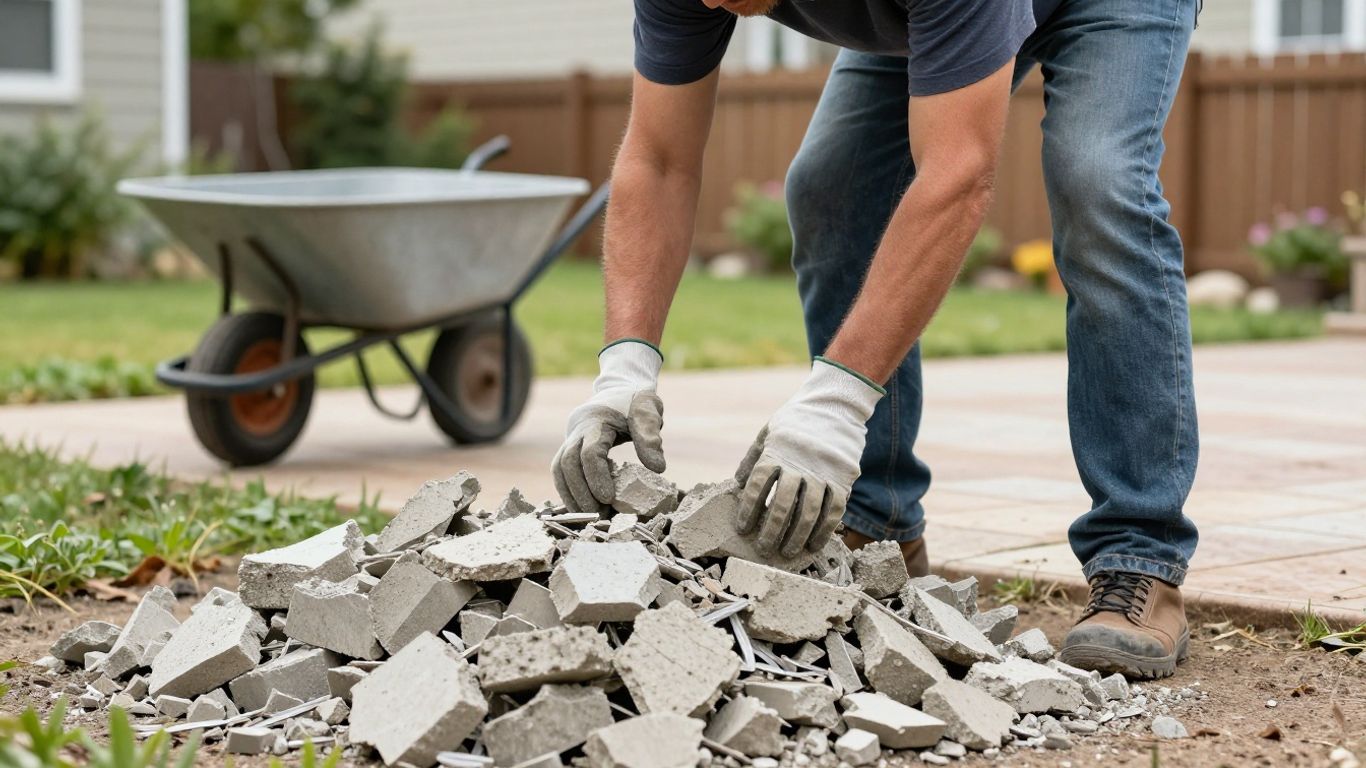
If the concrete is still in large sections, breaking it down may make it easier to move, but demolition can create flying chips, dust, and sharp edges. Use appropriate protective equipment and tools, and don’t attempt to break or lift pieces beyond your ability. When the work involves a large slab, embedded utilities, or uncertain structural conditions, get qualified help rather than improvising.
Before handling any pieces, run through a quick safety check:
- Wear eye protection, sturdy gloves, and footwear that covers your feet.
- Keep other people clear of the work area while concrete is being broken.
- Move pieces only if you can lift them without straining or twisting.
- Stop if dust, unstable material, or hidden services make the work unsafe.
Smaller pieces aren’t necessarily light, so judge each one individually. If the debris is too heavy to lift comfortably, leave it in place and arrange equipment or assistance suited to the job.
Step 2 – Separate Concrete From Other Renovation Debris
Sort concrete away from wood, drywall, insulation, metal, and general household waste when practical. A separated pile is easier to describe to a hauler and may meet the requirements of a facility that accepts clean concrete. Keep any rebar or mesh visible rather than concealing it inside a mixed load.
If materials can’t be separated completely, explain what’s mixed in before arranging disposal. Don’t assume that one facility accepts every combination of construction waste. A clear description, and photos when requested, can help the receiving site or service tell you what to do next.
Step 3 – Book a Pickup or Drop-Off
Once you know what the material is and how much there is, contact a local facility if you’re still working out how to get rid of concrete debris. Ask about accepted materials, preparation, access, weight restrictions, timing, and all charges. If you plan to haul it yourself, confirm the destination can receive your load before you leave home.
Where Does Removed Concrete Go? (Recycling vs. Landfill)
Depending on local facilities and the material’s condition, removed concrete may be directed to a recycling operation or disposed of through an approved waste facility. Clean concrete is often suitable for processing into aggregate, while mixed loads may need extra sorting or may not qualify for the same route.
Recycling isn’t automatic just because the debris is concrete. Rebar, soil, wood, asphalt, or other attached materials can affect acceptance, and each facility sets its own standards. Separating the pile where possible and describing it accurately can help identify a suitable destination.
Junk Ninja sorts items for donation, recycling, or disposal as part of its broader approach to responsible handling. For concrete specifically, confirm the intended route with your service or facility rather than assuming every load will be recycled.
Common Mistakes Homeowners Make When Disposing of Concrete
One common mistake is treating concrete like ordinary garbage and leaving it out for regular collection. That can result in a missed pickup or an unsafe load, especially if the material exceeds container limits. Check the rules for the service you plan to use before moving the debris to the curb.
Another is underestimating how heavy and awkward the pieces are. A chunk that looks manageable may be difficult to lift from the ground, carry across a yard, and place in a vehicle. Use realistic load limits, make fewer assumptions about what you can carry, and get help when the job exceeds your abilities.
People also sometimes book a container or a hauler without describing the material clearly. Mention concrete, mixed debris, approximate quantity, and access conditions, then ask about fees and limits before committing to a service.
Why Choose Junk Ninja for Concrete Junk Removal in Ottawa
Choosing a service starts with checking whether it handles your particular material, not simply whether it offers general junk removal. Ask about concrete acceptance, access, labor, weight restrictions, and the total price before setting a pickup date.
Junk Ninja has served Ottawa since 2010, and our crews are used to the challenges local homes bring — narrow driveways, tight staircases, and winter conditions that can complicate even a straightforward pickup. We give you a firm, upfront price before we start, based on the actual weight and volume of your pile, with no surprise fees added afterward.
FAQs About Concrete Debris Removal
Concrete disposal raises a few practical questions, particularly when you’re dealing with a small pile for the first time. The answers below are general guidance; local facilities and service providers may set different requirements.
Can concrete go in regular household garbage?
Often, regular curbside collection does not accept construction debris or heavy concrete, but rules vary. Check with your municipality or waste hauler before placing concrete in a garbage cart or at the curb.
Does concrete need to be separated from other debris?
Separating concrete from wood, drywall, soil, and other materials can make it easier to find a facility that accepts the load. Ask the destination whether it requires clean concrete or allows mixed construction debris.
Can I recycle broken concrete?
Some facilities accept concrete for processing, but acceptance depends on condition, attached materials, and local rules. Contact a nearby facility and describe the material before transporting it.
How can I estimate how much concrete I have?
Measure the approximate length, width, and depth of the pile or slab, and take clear photos from several angles. A facility or removal service can use those details to discuss capacity, weight, and pricing, though an estimate may need confirmation on site.
Is breaking concrete into smaller pieces always necessary?
No. Smaller pieces may be easier to handle, but breaking concrete creates dust and sharp fragments and can be hazardous. Follow safe practices, and don’t break or lift material that requires equipment or expertise you don’t have.
What should I ask before arranging pickup?
Confirm that the provider accepts concrete, what the price includes, whether weight limits apply, and whether the pile must be moved to a particular location. Share access details and ask about any extra charges before booking.
Is renting a bin better than hauling concrete myself?
It depends on the size of the job, the rental terms, your vehicle, and whether you can safely load and unload the debris. Compare the total cost and effort for each option, including facility fees and travel time.
Concrete is difficult to dispose of casually because its weight affects what you can move, what a facility will accept, and what removal may cost. Identify and separate the material, check local requirements, and compare your options before lifting or booking. With those details settled, clearing the space becomes a lot more manageable.
