
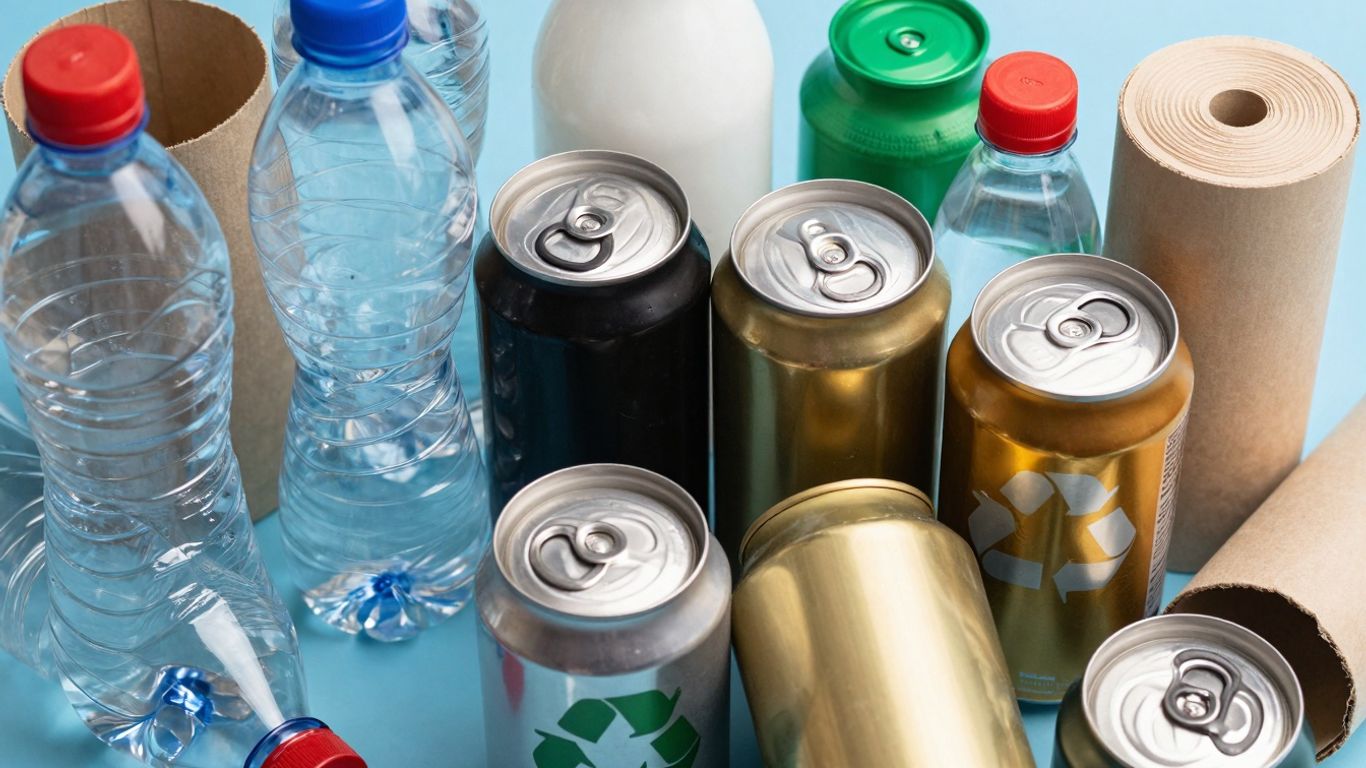
Why Knowing Ottawa’s Blue Bin Rules Is Important
So, you’ve got your blue bin sitting there, ready for action. But do you really know what’s supposed to go in it? It might seem like a small thing, but understanding Ottawa’s specific recycling rules makes a surprisingly big difference. When we all get it right, we’re not just tossing stuff into a bin; we’re actively helping our city stay cleaner and greener. Think about it – every item correctly recycled means one less thing taking up space in a landfill. Plus, those recycled materials get a new life, which means less need to dig up or manufacture brand-new stuff. That whole process uses a lot of energy and can create pollution, so recycling really cuts down on that impact.
Did you know that Ottawa diverts over 50% of its waste through recycling programs? Yet, contaminated recycling causes up to 25% of loads to be rejected, making blue bin contamination one of the top issues affecting the city’s recycling performance.
How Proper Recycling Supports a Cleaner, Greener City
Getting the blue bin right is more than just a chore; it’s a direct contribution to a healthier environment for everyone. When we toss the wrong things in, it can mess up the whole recycling process. Contaminated bins mean that perfectly good recyclables might end up in the trash anyway, which is a real waste. It also costs more to sort out the mistakes, and that money could be better spent on other city services. By taking a few extra minutes to check what goes where, you’re helping to keep valuable resources out of landfills and supporting a more sustainable future for our community. It’s a simple action with a pretty significant ripple effect.
Here’s a quick look at why it matters:
- Reduces Landfill Waste: Every bit of recycling means less garbage piling up.
- Conserves Natural Resources: Using recycled materials means we don’t have to extract as many raw resources from the earth.
- Saves Energy: Making products from recycled materials usually takes less energy than making them from scratch.
- Supports Local Economy: The recycling process creates jobs right here in our community.
Sometimes, it feels like a lot of effort to sort everything perfectly. But when you think about the bigger picture – less pollution, fewer resources used, and a cleaner city – it really is worth the small amount of extra time. It’s about being a good neighbour to both the people around us and the planet.
What Goes in the Blue Bin in Ottawa: Complete List
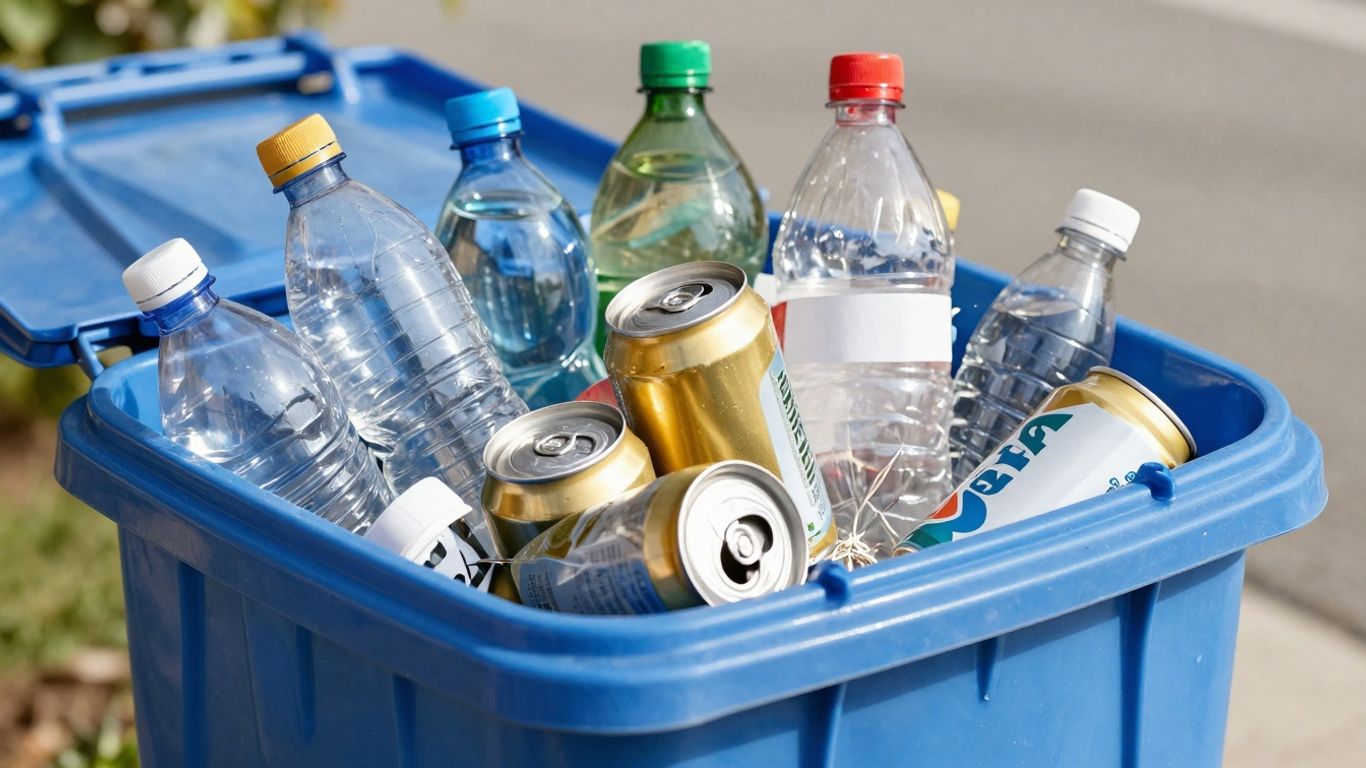
Alright, let’s talk about what actually belongs in your blue bin. It can get a little confusing, right? The city wants us to recycle more, and that’s great, but knowing the rules is key. Getting this right means less stuff ends up in the landfill, which is a win for everyone.
Approved Paper, Cardboard & Fiber Materials
This is where the bulk of your blue bin contents will likely come from. Think of anything made from paper or cardboard that isn’t coated in plastic or food waste. It’s pretty straightforward once you get the hang of it.
Here’s a breakdown of what’s generally good to go:
- Newspapers and flyers: All those ads and daily news sheets are perfect for the blue bin.
- Magazines and catalogues: Glossy pages and all, these are fine.
- Junk mail and envelopes: Even those with plastic windows are usually okay.
- Paperback books: If they’re not too damaged, they can be recycled. For hardcover books, you might need to remove the cover first, or check if they can be donated.
- Cardboard boxes: This includes cereal boxes, tissue boxes, and shipping boxes. Make sure to flatten them first to save space in your bin and in the collection trucks.
- Paper egg cartons: The ones made entirely of paper pulp, not styrofoam.
- Paper towel and toilet paper tubes: Don’t toss these in the garbage!
Remember, the goal is to keep things clean and dry. Wet paper or cardboard can get moldy and contaminate other recyclables, making them unusable. So, if it’s damp, it might be better off in the garbage.
It’s also worth noting that starting January 1, Ottawa is implementing changes to blue and black bin collection, allowing residents to recycle a wider range of items. This includes previously unrecyclable materials such as plastic bags, toothpaste tubes, and deodorant, as part of a new provincial recycling system. Keep an eye out for updates on what else might be accepted soon!
Items You Cannot Put in the Ottawa Blue Bin
Recycling is important, but putting the wrong items in your blue bin can jam machines, damage equipment, or contaminate good recyclables – like adding salt instead of sugar to a cake!
Quick Checklist
✔ Paper, cardboard, magazines
✔ Clean cans & jars
✔ Clean plastic bottles & jugs
❌ Plastic bags & film
❌ Styrofoam (foam cups, takeout containers, packaging peanuts)
❌ Soiled food containers
❌ Electronics & batteries
❌ Textiles & clothing
Common Offenders
-
Plastic Bags & Film: Tangled in machines; drop-off bins at grocery stores are better.
-
Styrofoam: Difficult to process and bulky; avoid in curbside bins.
-
Soiled Food Packaging: Grease or food residue contaminates recyclables.
-
Certain Plastics: Only bottles, tubs, and jugs with necks are usually accepted.
-
Electronics & Batteries: Fire hazard; use designated drop-off locations.
-
Textiles & Clothing: Donate or use textile recycling programs instead.
Check Rules & Updates
Recycling rules can change, so always consult the City of Ottawa’s waste management website. Starting January 1, 2026, beer, wine, and liquor bottles will no longer be accepted in blue or black bins.
Bulky Items
Large items like furniture or construction debris should go to a junk removal service rather than your curbside pickup.
Tips to Prepare Your Blue Bin Properly at Home
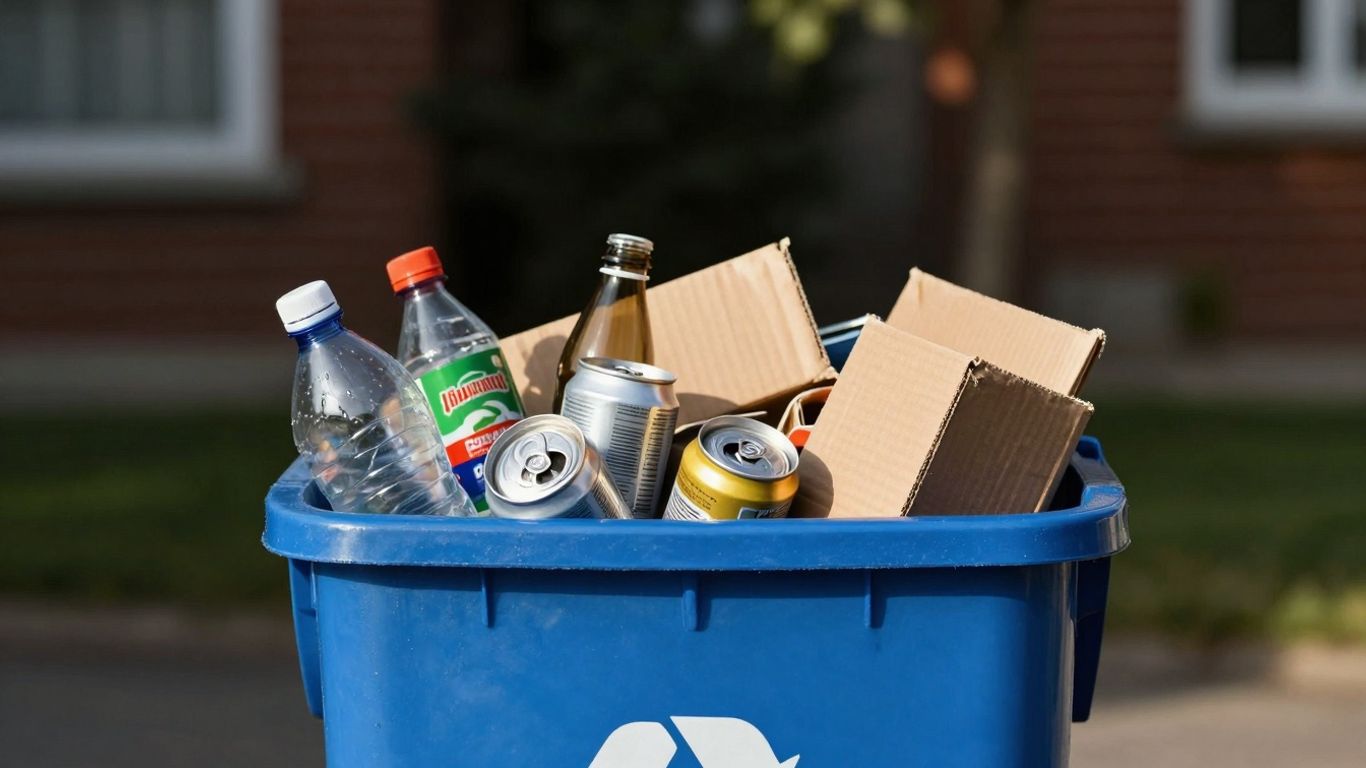
Getting your recyclables ready for the blue bin isn’t complicated, but a little attention to detail makes a big difference. When we all do our part correctly, the whole system works better, meaning more materials actually get recycled and turned into new things.
Rinsing, Flattening & Reducing Contamination
Think of your blue bin as a team player. It needs clean, well-prepared items to do its job. Food scraps and liquids are the biggest culprits when it comes to messing up a whole batch of recyclables, especially paper and cardboard. So, a quick rinse is usually all that’s needed.
- Rinse it out: Give containers like jars, cans, and plastic jugs a quick swish with water. You don’t need to scrub them spotless, just get the bulk of the food or liquid out. This stops yucky smells and prevents mold from growing, which can ruin paper products.
- Flatten it down: Cardboard boxes, especially those big shipping ones, take up a ton of space. Flattening them makes them fit much better in your bin and in the collection trucks. This means fewer trips and less fuel used.
- Keep lids on (usually): For plastic bottles and glass jars, it’s generally best to put the lids back on. They’re often made of different materials that can be recycled separately, and keeping them on helps prevent them from getting lost in the sorting process.
- No plastic bags: This is a big one. Plastic grocery bags, bread bags, or any other soft plastic film should not go in the blue bin. They jam up the sorting machinery. If you have a lot of them, check with your local grocery store; many have special drop-off bins for them.
Allowed vs Not Allowed in Ottawa Blue Bin
| Category | Allowed | Not Allowed |
|---|---|---|
| Paper | Newspapers, envelopes | Wet paper |
| Plastics | Bottles, jugs | Plastic bags, film |
| Metal | Clean cans | Electronics |
| Cardboard | Shipping & cereal boxes | Greasy pizza boxes |
| Glass | Bottles & jars | Broken glass |
Contamination is the enemy of good recycling. When non-recyclable items or dirty recyclables get mixed in, they can force entire loads to be sent to the landfill. It’s a real waste of resources and effort.
When to Use Junk Removal Services for Large, Non-Recyclable Items
Sometimes, you’ve got stuff that doesn’t belong in the blue bin.
- Oversized items: Anything too big for your regular garbage or blue bin, like mattresses, old couches, or large appliances.
- Construction or renovation waste: Wood, drywall, old tiles, and similar materials are typically not accepted curbside.
- Hazardous waste: Items like paint, chemicals, batteries, and electronics need special handling and should never go in the blue bin or regular trash. Junk removal services can often take these, or you’ll need to find a specific drop-off location.
Using a professional service ensures these items are disposed of responsibly, and often, they’ll sort through what they collect to recycle or donate usable materials. It’s a good way to clear out clutter without adding to the landfill problem unnecessarily.
Frequently Asked Questions
What are the main things I can put in Ottawa’s blue bin?
You can toss in most paper products like newspapers, mail, and magazines. Cardboard boxes are good to go, just make sure to flatten them first. Clean metal cans, like soup or soda cans, and empty glass bottles and jars are also welcome. Just give them a quick rinse to get rid of food bits!
What absolutely should NOT go into the blue bin?
Definitely keep plastic bags, Styrofoam, and food-soiled containers out of the blue bin. Things like plastic wrap, electronics, and batteries are also big no-nos. When in doubt, it’s better to throw it out in the regular garbage or check if there’s a special place for it, rather than contaminating the whole batch.
How should I prepare my items before putting them in the blue bin?
It’s super important to make sure your items are empty and clean. Give containers and jars a quick rinse to remove any leftover food or liquids – this prevents yucky smells and contamination. Flattening cardboard boxes saves a ton of space in your bin and for the collection trucks. No need to remove labels, though!
