
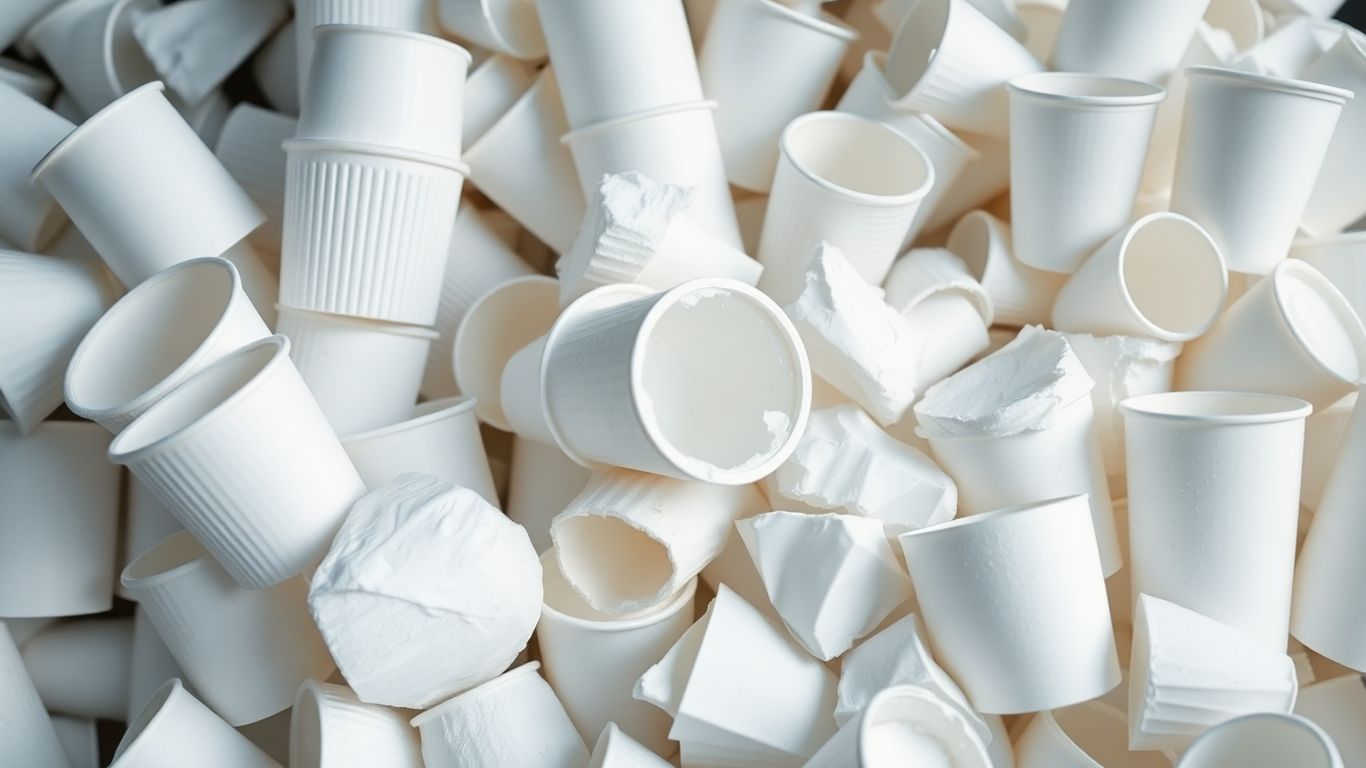
What is Styrofoam, and why is it a Recycling Challenge?
So, let’s talk about Styrofoam. You know, that lightweight, white, foamy stuff that shows up in your takeout containers, protects your new electronics, or keeps your frozen groceries cold? Its official name is expanded polystyrene, or EPS. It’s made of about 90% air, which is why it’s so light and bulky. While it’s great for cushioning and insulation, it’s a real headache when it comes to recycling.
Ottawa’s Current Styrofoam Recycling Program: What You Need to Know
When it comes to recycling EPS here in Ottawa, the situation isn’t super straightforward. The City doesn’t accept it for regular curbside pickup, and you can’t just toss it into any of the city’s recycling depots either. This means most of what we put out for recycling actually ends up in the landfill.
The cost of recycling this material is pretty high, mainly because it takes up so much space and needs to be compressed before it can even be processed. This is a big reason why many places, including Ottawa, don’t have a simple system for it. Some specialized companies do accept it, but you usually have to find them yourself.
Does Ottawa Recycle Styrofoam?
No. The City of Ottawa does not accept any type of Styrofoam in curbside blue bins or recycling depots.
All Styrofoam—including takeout containers, packaging foam, and meat trays—must be placed in the garbage unless you find a private EPS recycling program.
Ottawa Styrofoam Recycling at a Glance
| Material Type | Accepted by the City of Ottawa? | Where It Goes |
|---|---|---|
| Styrofoam packaging | ❌ No | Garbage |
| Takeout foam containers | ❌ No | Garbage |
| Foam meat trays | ❌ No | Garbage |
| Packing peanuts | ❌ No | Garbage or reuse |
| Hard plastic | ✔ Yes | Blue bin |
Drop-off Locations for Styrofoam in Ottawa
Finding a drop-off location for Styrofoam in Ottawa can be challenging. The City of Ottawa does not offer any official drop-off sites for EPS, so you can’t take it to municipal recycling depots. However, a few private companies and specialized recycling facilities may accept clean, bagged Styrofoam. Availability varies, and these programs often have specific requirements, so it’s important to check directly with local waste management services or private recyclers to confirm what they accept.
Here’s a quick rundown of why it’s tough:
- Bulkiness: Takes up a lot of space, increasing transport costs.
- Fragility: Breaks easily, leading to contamination.
- Low Material Value: Often not cost-effective to collect and process.
- Contamination: Food residue and other materials can make it unrecyclable.
It’s a material that’s really hard to deal with using traditional recycling methods. Many communities, like Toronto, have even had to pay companies to take it away, which isn’t a sustainable solution.
Common Myths & Misconceptions About Styrofoam Recycling
It’s easy to assume that if something is made of plastic, it can go straight into the blue bin—but that’s not the case with Styrofoam, or expanded polystyrene (EPS), in Ottawa. Many people believe all Styrofoam can be recycled, but the city’s curbside program does not accept it. Items like takeout containers, packing peanuts, and foam cups are too bulky, lightweight, and fragile, which makes them difficult and costly to process. Some private companies or specialized drop-off locations may accept clean Styrofoam, but this is not a city-wide service.
The Role of Contamination in Styrofoam Recycling
Even if you find a special drop-off for Styrofoam, contamination is a huge issue. Think about it: Styrofoam is often used for food packaging. If there’s any food residue, grease, or even just dirt on it, it can ruin an entire batch of otherwise recyclable material. This is why many places are hesitant to accept it. It needs to be super clean. Because it breaks up so easily, small pieces can get mixed in with other recyclables, making them harder to sort and process. This contamination is a major reason why cities like Ottawa have opted out of accepting it curbside. It’s better to keep it out of the main recycling stream to avoid messing up the good stuff.
Keeping Styrofoam out of the regular recycling bin is key to preventing contamination. Even small amounts of food or other debris can render a whole load of recyclables unusable, leading to more waste ending up in landfills instead of being repurposed.
Alternatives to Styrofoam: Sustainable Packaging Options
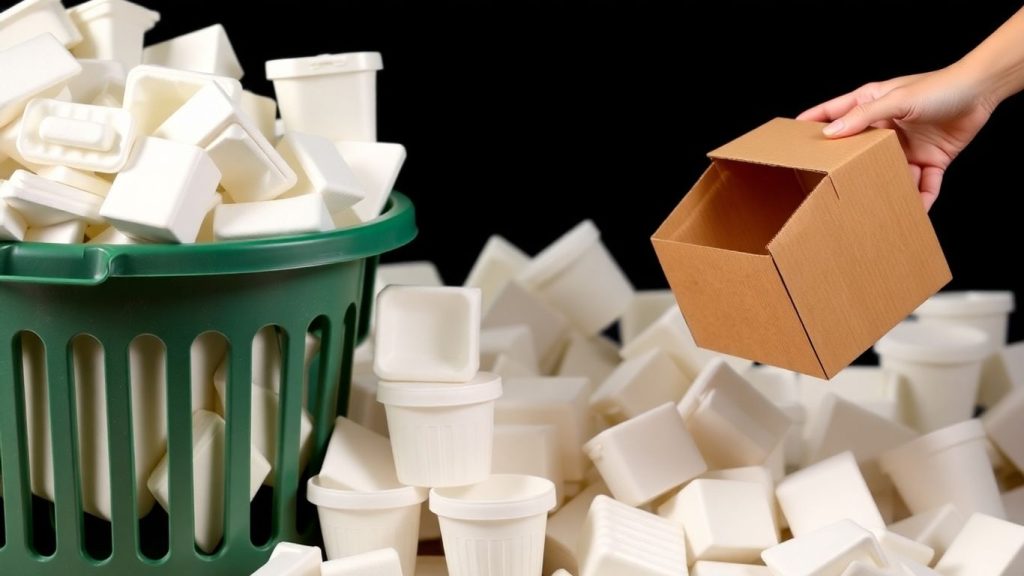
So, we’ve talked about why styrofoam is such a pain to recycle. It’s bulky, it breaks apart easily, and honestly, it’s just not cost-effective for most places to deal with. But what if we just didn’t have to deal with it in the first place? That’s where looking at alternatives comes in. It’s all about finding materials that do the same job but are kinder to the planet.
Biodegradable and Compostable Materials
This is a big one. Instead of plastics that stick around forever, we’re seeing more and more packaging made from things that can break down naturally. Think plant-based materials like cornstarch, sugarcane, or even mushroom roots. These can often be composted, meaning they turn into soil rather than trash. It’s a pretty neat idea, right? The goal is to have packaging that disappears after you’re done with it.
- Plant-based plastics (PLA): Made from fermented plant starch, these can be compostable under the right conditions.
- Molded pulp: This is made from recycled paper or cardboard, or even things like bamboo and wheat straw. It’s great for things like egg cartons and some food containers.
- Seaweed-based packaging: Some companies are experimenting with using seaweed to create films and containers that are edible or compostable.
While these sound great, it’s important to know that ‘biodegradable’ and ‘compostable’ aren’t always the same. Some things need industrial composting facilities to break down, which aren’t available everywhere. Always check the labels and local guidelines.
Reusable Packaging Solutions
This is probably the most straightforward approach: just use things over and over again. It’s like going back to how things were done before everything became disposable. Think about bringing your own bags to the grocery store or using a reusable coffee cup. For businesses, this could mean systems where containers are returned, cleaned, and refilled.
- Durable containers: For takeout food, restaurants could use sturdy containers made of metal or hard plastic that customers return.
- Shipping inserts: Instead of styrofoam peanuts or foam, companies could use reusable fabric wraps or custom-molded inserts that are sent back.
- Bulk bins: Encouraging more shopping in bulk with customers bringing their own containers, cuts down on packaging waste significantly.
It’s a shift in thinking, for sure. We’re used to things being easy and disposable. But when you think about the long-term impact, reusing things just makes a lot more sense. It saves resources and cuts down on the sheer amount of stuff we throw away.
How You Can Make a Difference with Styrofoam Disposal in Ottawa
So, we’ve talked about why Styrofoam is a bit of a headache to recycle here in Ottawa. The city doesn’t take it curbside, and most drop-off spots aren’t equipped for it. This means a lot of it ends up in landfills, which isn’t great for our environment. But don’t throw your hands up just yet! There are definitely things you can do to help.
First off, let’s get clear on what not to do. Never put Styrofoam in your regular blue recycling bin. It just contaminates the other recyclables and causes more problems down the line. Think of it like trying to mix oil and water – it just doesn’t work.
Here’s what you can do:
- Seek out specialized drop-off points: While the city doesn’t have a general program, some private businesses or community groups might accept clean Styrofoam. It’s worth doing a quick search for “Styrofoam recycling Ottawa” to see if any local initiatives are collecting it for specific recycling processes. Sometimes, places that sell moving supplies might take back packing peanuts.
- Reduce your use: The best way to deal with a recycling problem is to create less of it in the first place. When you have a choice, opt for products packaged in more easily recyclable materials. Think about reusable containers for takeout instead of single-use foam ones.
- Clean it thoroughly: If you do find a place that accepts Styrofoam, make sure it’s clean. Food residue or tape can make it unrecyclable, even for specialized facilities.
The reality is, recycling Styrofoam isn’t as straightforward as tossing a plastic bottle into the blue bin. It requires extra effort and awareness from us. By understanding the limitations and actively looking for alternatives or specialized solutions, we can collectively reduce the amount of this material ending up where it shouldn’t.
It might seem like a small thing, but every piece of Styrofoam diverted from the landfill makes a difference. It’s about being mindful of our waste and taking those extra steps when we can. Let’s all try to be a bit more conscious about our Styrofoam habits!
The Future of Styrofoam Recycling in Ottawa
So, what’s next for styrofoam in Ottawa? It’s a bit of a mixed bag, honestly. While the city doesn’t currently accept it for curbside pickup or at depots, there’s a glimmer of hope on the horizon. New technologies are popping up that could make recycling this bulky material more feasible. Companies are experimenting with ways to break down expanded polystyrene (EPS) and turn it back into something useful, which is pretty neat.
Right now, the biggest hurdles are cost and scale. Collecting and processing styrofoam is expensive because it’s mostly air and takes up a lot of space. Plus, it can easily contaminate other recyclables if not handled carefully. This is why finding effective, large-scale solutions is so important for the future.
Here’s a quick look at what’s being explored:
- Advanced Chemical Recycling: Some companies are looking into chemical processes that can break down the polystyrene into its original building blocks, which can then be used to make new products. This is different from just melting it down.
- Mechanical Processing Improvements: Others are working on better ways to compress and process the foam so it’s easier and cheaper to transport and recycle.
- Finding New Markets: The ultimate goal is to create strong markets for recycled styrofoam, so there’s a demand for the material once it’s processed.
It’s not going to happen overnight, but the push for better waste management means we’re likely to see more innovation in this area. For now, though, it’s still best to check with your local waste management services for the most up-to-date information on disposal options. You can find general information on recycling and disposal services in Ottawa to help with your efforts to contribute to climate change efforts.
The reality is, reducing our reliance on materials like styrofoam in the first place is the most effective strategy. Thinking about reusable alternatives and minimizing packaging waste will always be a step ahead of even the best recycling technology.
Thinking about how Ottawa handles Styrofoam recycling? It’s a big question for our city. While it might seem tricky, there are new ideas and efforts happening to make recycling this common material easier and more effective. We’re exploring the latest in recycling technology and local initiatives that could change how we deal with Styrofoam waste. Want to know more about what’s next for recycling in Ottawa? Visit our website to get the full scoop and see how you can be part of the solution.
Frequently Asked Questions
Can I put Styrofoam in my regular recycling bin?
No. The City of Ottawa doesn’t accept Styrofoam in curbside or depot recycling. Keep it out of your blue bin.
Where can I recycle Styrofoam?
There are no city drop-off sites. Some private facilities may accept clean Styrofoam—check with local waste services.
Why is Styrofoam hard to recycle?
It’s mostly air, making it bulky and costly to transport. It also breaks apart easily and can contaminate other recyclables.
Does Styrofoam go to the landfill?
Yes, most Styrofoam in Ottawa ends up in the garbage since recycling options are limited.
What are better alternatives to Styrofoam?
Choose reusable, recyclable, or compostable packaging like paper, cardboard, or plant-based materials.
How can I reduce Styrofoam waste?
Avoid buying Styrofoam products, use reusables, and dispose of any Styrofoam in your regular garbage bin.
